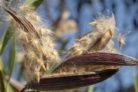
Be extremely careful when handling Yellow Oleander seeds, because these little guys are incredibly toxic. In fact, just a single seed contains enough poison to be fatal to an adult. Here’s everything you need to know about staying safe while handling this plant.
Yellow Oleander vs. Common Oleander: What’s the Difference?
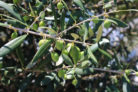
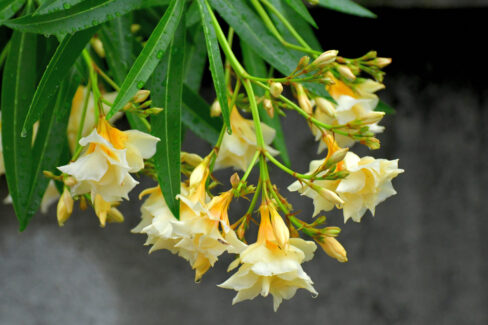
Yellow Oleander, often called the “Lucky Nut” or “Lucky Bean” tree, actually hails from Peru. People often compare it to the Common Oleander we see in so many backyards, but they don’t actually have much in common. Botanically speaking, they really only share two things: they belong to the same plant family and they are both highly poisonous.
Just How Dangerous Are the Seeds?
Just like its cousin, the Yellow Oleander is no joke when it comes to toxicity. The seeds, in particular, have a massive concentration of toxins—much like the seeds of the Common Oleander. Believe it or not, eating just one seed can be fatal for a human.
It’s not just the seeds, though; the leaves, stems, and the milky sap are all toxic. If you have curious kids or pets running around the house or yard, I’d strongly recommend skipping this plant entirely for your garden.
Using Seeds for Propagation
Despite the danger, these seeds are actually the key to growing new plants if you’re a fan of the Yellow Oleander’s look. Just make sure you are prioritizing safety! Always wear sturdy gardening gloves when handling any part of the plant to prevent any accidental poisoning.
You can harvest the seeds yourself from an existing plant or just pick them up at a specialty garden center.
If you want to try growing them yourself, here’s the game plan:
- Open up the seed pods and carefully remove the seeds.
- Clean them with lukewarm water, then let them soak in a warm water bath for about 48 hours.
- Prep a starter pot with high-quality seed-starting mix.
- Plant the seeds about an inch deep (2-3 cm) and keep the soil consistently moist.
- Keep the pot in a warm spot (around 77°F) with high humidity. A mini indoor greenhouse works wonders for this.
- You should see sprouts starting to pop up after a few weeks.
- Once the seedlings are strong enough and have established themselves, you can transplant them to their permanent home.