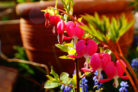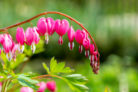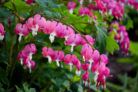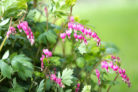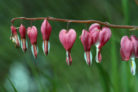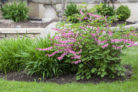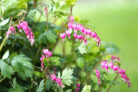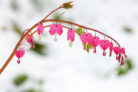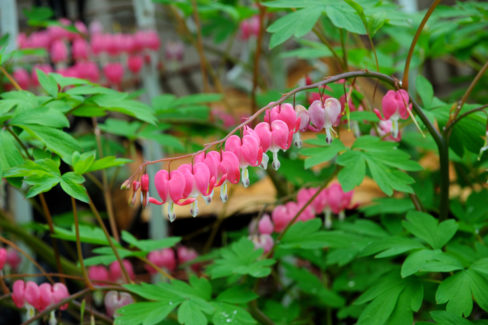
Bleeding Hearts are such hardy, easy-going perennials! They’re perfectly happy in a semi-shaded garden bed or even in a nice pot on your patio. But you might notice that toward the end of the growing season, those lovely green leaves start turning yellow. Wondering why? Let’s dive into it.
The Life Cycle of a Bleeding Heart
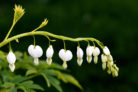
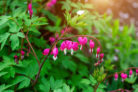
This spring favorite usually starts popping up in late April. You’ll see those delicate, often reddish stems and leaves pushing through the soil. By May, those iconic arching stems with pink-and-white hearts are usually in full swing. Depending on the variety, the blooming period can last from May well into the summer—some types even keep going into August or September! Pro tip: if you deadhead the faded flower spikes regularly, you can encourage the plant to keep blooming for a few extra weeks.
Once the flowering wraps up, it’s totally normal for the leaves to start turning yellow. They’ll get a bit limp, look a little “blah,” and eventually dry up. Don’t panic! This is just the plant’s natural cycle. The Bleeding Heart puts a ton of energy into those blooms and then settles down for a long winter nap. All the parts above ground will die back, leaving just the rootstock tucked away in the soil. It’ll spend the winter recharging its batteries to sprout again next spring. If you have young plants, a little mulch or evergreen boughs can help protect them from the deep freeze.
What if the leaves turn yellow early?
If your Bleeding Heart starts yellowing while it’s still supposed to be blooming, there might be an underlying issue. Here’s what to look out for:
- Voles or Gophers: These critters love munching on roots. Check for holes in the ground and consider a humane trap if they’re moving in.
- Hungry Plants: A lack of nutrients can cause yellowing. A fresh scoop of compost usually does the trick.
- Lighting Issues: Too much deep shade or too much direct sun can stress the plant. You might need to find a better “Goldilocks” spot.
- Soggy Feet: They hate standing water! Make sure your soil has good drainage when you plant.
- Soil pH: Bleeding Hearts prefer slightly acidic soil. If your soil is too alkaline, try mixing in some peat or sulfur.
- Pests: Aphids are the usual suspects. You can use an insecticide, but I always recommend bringing in beneficial insects (like ladybugs!) first.
- Fusarium Wilt: This is a fungus that blocks the plant from taking up water. You’ll need a fungicide to get it under control.
- Stem Rot: Another fungal issue that creates a slimy coating and causes wilting. Treat it with a fungicide, but in severe cases, you might have to remove the plant entirely to save its neighbors.