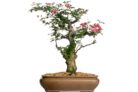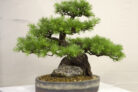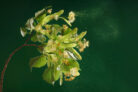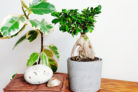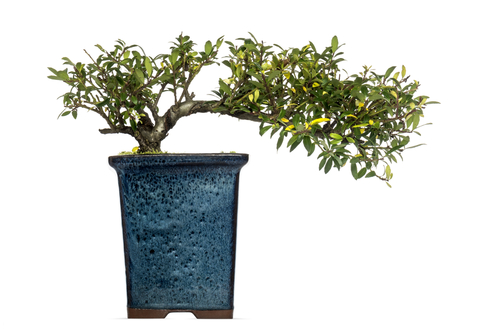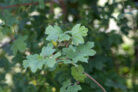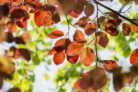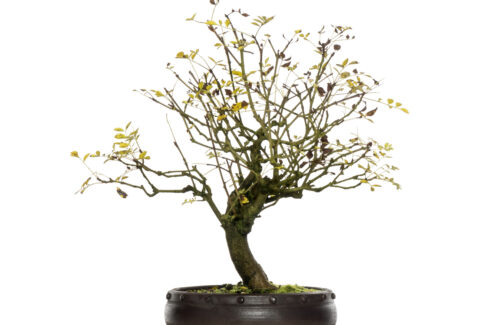
The ash tree is one of the true giants of the forest, often reaching heights of up to 130 feet. But here’s a cool secret for us gardeners: you don’t need a massive backyard to enjoy one! Thanks to specially bred dwarf varieties, you can actually grow these beauties as bonsai. If you’re looking to try your hand at an ash bonsai, there are a few tips and tricks you should know to keep it thriving.
Choosing the Right Ash Species
While a standard ash tree is a towering giant, not every species in the family gets that big. For bonsai enthusiasts, the Chinese Ash (*Fraxinus formosana*) is the gold standard. It was specifically bred for bonsai styling and is much more manageable than its forest-dwelling cousins.
Why ‘Formosana’ is a Great Choice
The *Formosana* variety is a favorite for a few reasons:
- Even though it can reach 50 feet in the wild, it responds incredibly well to pruning, making it easy to keep small.
- It’s an evergreen, so you get beautiful foliage year-round.
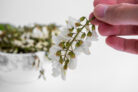
- It produces clusters of lovely, delicate white flowers.
The Best Spot for Your Ash Bonsai
One of the best things about an ash bonsai is its versatility—it can live indoors or outdoors. Just be careful with direct, scorching sunlight; it can dry out the soil too fast and even sunburn the leaves. While these trees are pretty hardy and can stay outside most of the year, you’ll want to be careful during a hard freeze. Because bonsai pots are small and don’t hold much soil, the roots are at risk of freezing. If the temperature drops significantly, move your tree to a sheltered spot or wrap it in some winter fleece for protection.
Mastering the Art of Pruning
To get that classic “miniature tree” look, regular pruning is a must. Luckily, the *Formosana* is very forgiving and handles trimming like a champ, so feel free to experiment with different shapes. When you’re first starting out, you’ll want to do some heavier structural pruning to establish the frame. Once you’ve got the shape you like, you can switch to “maintenance mode”—just snipping back the branches that start to grow outside the lines.
General Care and Feeding
Ash bonsai are thirsty little trees, so keep the soil moist, but make sure the pot drains well—nobody likes “wet feet” (root rot!). For nutrients, I recommend a liquid fertilizer once a week during the growing season. In the winter, the tree slows down, so you can scale back the feeding to once every six to eight weeks.
Don’t Forget to Repot
Every two to three years, your ash bonsai will need a little more “elbow room.” Move it into a slightly larger pot with fresh bonsai soil. This is also the perfect time to do some root pruning, which helps keep the tree healthy and prevents it from becoming root-bound in its small container.