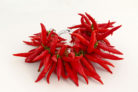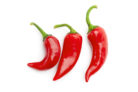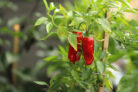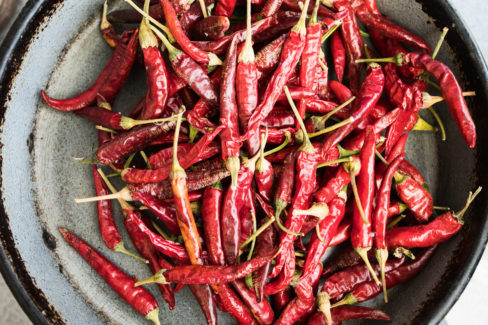
Peperoncini and chili peppers usually have pretty thin walls, which makes them absolutely perfect for air-drying. Not only does air-drying save a ton on energy costs, but you can also string the peppers together to create gorgeous, edible kitchen decor!
Harvesting with the Stem
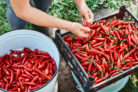
If you’re planning on drying your peppers, there’s one little trick to keep in mind during harvest: don’t just snip off the fruit itself. Make sure to leave a bit of the stem attached. Not only does this make harvesting a breeze, but if you decide to hang them, that stem acts as the perfect anchor for your thread.
You’ll also want to make sure you’re only picking fully ripe, undamaged peppers. If they aren’t quite ripe yet, there’s a much higher risk of them rotting or getting moldy during the drying process. This is because the walls of an unripe pepper aren’t quite firm enough yet, making them an easy target for bacteria or fungi.
Preparing the Fruit
Give your peppers a quick rinse under running water and pat them dry with a kitchen towel. This is a great time for a final quality check—keep an eye out for any bruises or nicks. Even a tiny bit of damage can cause a pepper to spoil while it’s air-drying.
Since air-drying can take several weeks, damaged fruits should really be used right away instead. If you still want to dry the “imperfect” ones, I’d recommend popping them in the oven or a dehydrator for a few hours rather than letting them hang out at room temperature.
How to Dry Your Peppers
There are a few different ways to get the job done. If you’re feeling low-maintenance, you can simply spread them out in a single layer in a cardboard box and let nature do its thing.
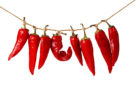
However, stringing your peppers is way more fun and looks fantastic in the kitchen. There are a couple of ways to do this: the easiest method is to thread them one by one and hang the string horizontally.
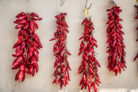
If you want to go for that classic Southwestern look, try making “Ristras.” These are those beautiful vertical bundles you see hanging in markets. To make one, you thread the peppers closely together, layering them in a circular pattern as you go. This creates thick, vibrant strands. You can even mix and match different varieties for a cool multi-colored effect! You’ll need a lot of peppers to make a full Ristra, but it’s the perfect solution if you find yourself with a massive “bumper crop” harvest.