When you’re getting ready to plant your chili peppers, there are a few key things to keep in mind. The most important rule? Be gentle! Chili roots are surprisingly sensitive, so you’ll want to handle them with extra care whenever you’re planting or repotting.
Choosing and Sowing Your Seeds
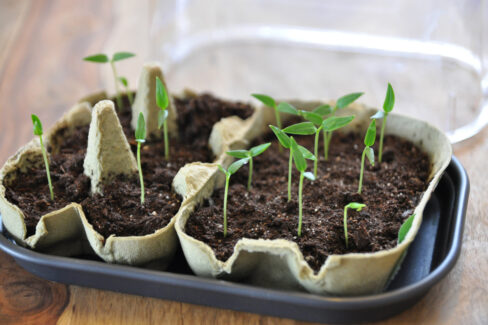
Chili seeds are “dark germinators,” which just means they need to be tucked under a layer of soil to sprout. For the best start, I highly recommend using a seed-starting mix. It’s specifically formulated to give your little plants exactly what they need during those first few crucial weeks.
Here’s my step-by-step guide to sowing:
- Fill your seed tray with soil.
- Space your seeds out at least half an inch (1 cm) apart.
- Cover them with about a quarter-inch (0.5 cm) of seed-starting mix.
- Gently press down on the soil to ensure good contact.
- Give them a light watering.
While you’re waiting for them to sprout, don’t let the soil dry out! Using an indoor mini-greenhouse or covering your trays with clear plastic wrap works wonders for holding in moisture. Just remember to lift the cover occasionally to let them breathe; otherwise, you might run into mold issues. Keep the temperature around 75°F (24°C) for the best results.
Transplanting Your Seedlings
Don’t panic if nothing happens right away—chili seeds can take up to four weeks to germinate. During this phase, they actually prefer “lean” soil that isn’t too rich. You won’t need to worry about high-nutrient soil until it’s time for pricking out (transplanting) your seedlings. Once they’re big enough to handle, you can move them into their own individual pots.
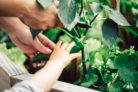
Use a fork to gently lift the seedlings out of the tray. Move them into pots filled with a 50/50 mix of compost (or veggie soil) and seed-starting mix. Make sure the pots are roomy enough so the roots don’t get cramped, bent, or pushed upward during the move.
Caring for Your Young Plants
Once your chilis are repotted, move them to a slightly cooler spot. This helps them grow nice and sturdy rather than getting “leggy” (tall and weak). They also need plenty of light! If your windows aren’t bright enough, a grow light is a lifesaver. Your chilis will want at least eight hours of light every day.
Keep your plants cozy indoors until the danger of frost has passed—usually around mid-May. After that, they’re ready to be moved into larger pots or planted directly into your garden beds.
Watering and Fertilizing
While your plants are still living indoors, watering is an art form. Chilis hate being bone-dry, but they also can’t stand “wet feet” (standing water). Water moderately and always do the finger test first. Stick your finger into the soil; if it feels moist at the tip, you can hold off on watering for another day. If you want to be high-tech, a moisture meter works great too.
You don’t need to fertilize your seedlings right away. Wait until about four weeks after they’ve been moved to their final pots or garden spot. A liquid vegetable fertilizer used every two weeks is usually the perfect recipe for happy, spicy peppers!