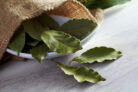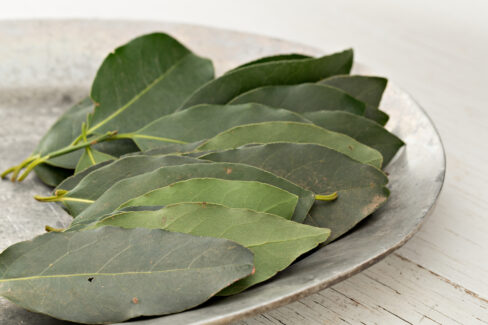
Traditionally, bay leaves are dried before they ever hit the pot. Ever wonder why? Today, I’m going to walk you through why drying is the way to go and how you can easily prep your own homegrown harvest for long-term storage.
Harvesting Your Bay Leaves
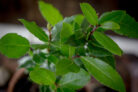
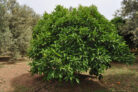
If you’ve just planted a young bay laurel in your garden or a patio pot, try to resist the urge to harvest during that first year. Those young plants need every leaf they’ve got to establish themselves. Once you have a sturdy shrub or a full little tree, though, you can harvest away! Just remember to be gentle. You can either hand-pick individual leaves or use a pair of clean garden snips.
Tips for Pruning Your Bay Laurel:
- You can harvest entire small sprigs or just individual leaves.
- Snip leaves right where they meet the branch or stem.
- If you’re cutting back a branch, make your cut just above a leaf node.
- Always remove any damaged or spotted leaves while you’re at it.
- Keep an eye on the overall shape of the plant so it stays looking sharp.
- Don’t go overboard—avoid thinning out the foliage too much at once.
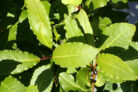
One super important safety tip: Make sure you are only harvesting from a True Bay Laurel (*Laurus nobilis*). Cherry Laurel (often used for privacy hedges) is actually toxic and definitely shouldn’t be used in your cooking. Always double-check your plant ID before you start drying!
How to Dry Your Bay Leaves
The classic way to do this is the “hang and dry” method. Just bundle your sprigs or leaves together with some twine and hang them upside down in a dry, well-ventilated room. After about two weeks, they should be perfectly crisp. At that point, you can pop them into a glass jar or a paper bag for long-term storage. Plus, a little bundle of drying herbs looks great hanging in the kitchen!
If you’re in a bit of a hurry, you can use your oven. Set it to a very low temperature—between 100°F and 120°F (40-50°C)—and let them dry slowly until they snap easily when bent. While you *can* technically use fresh bay leaves, they often have a bit of a bitter edge. Drying them mellows out that bitterness and lets those wonderful, savory essential oils really shine.