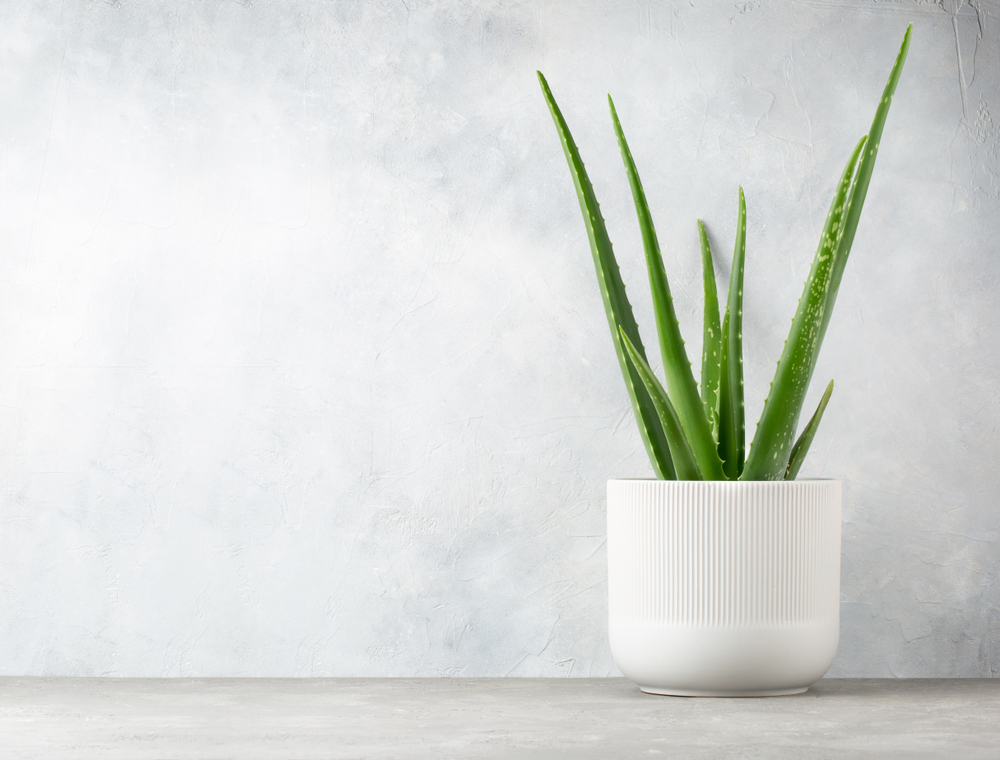
The tropical Aloe Vera is a total favorite for indoor gardeners here in the States. It’s incredibly low-maintenance, making it the perfect “starter plant” if you’re just beginning your green thumb journey. But before you run out to the nursery, it’s a good idea to get to know what makes this succulent tick. Here’s a quick guide to everything you need to know.
Origins and Varieties
Aloe Vera is an evergreen succulent and part of the Asphodelaceae family. There are actually over 500 different species out there! While it originally hails from the Arabian Peninsula, you can find it growing wild in tropical and subtropical spots all over the globe today, including:
- The dry Mediterranean region
- India
- South America
- The Canary Islands
- North Africa
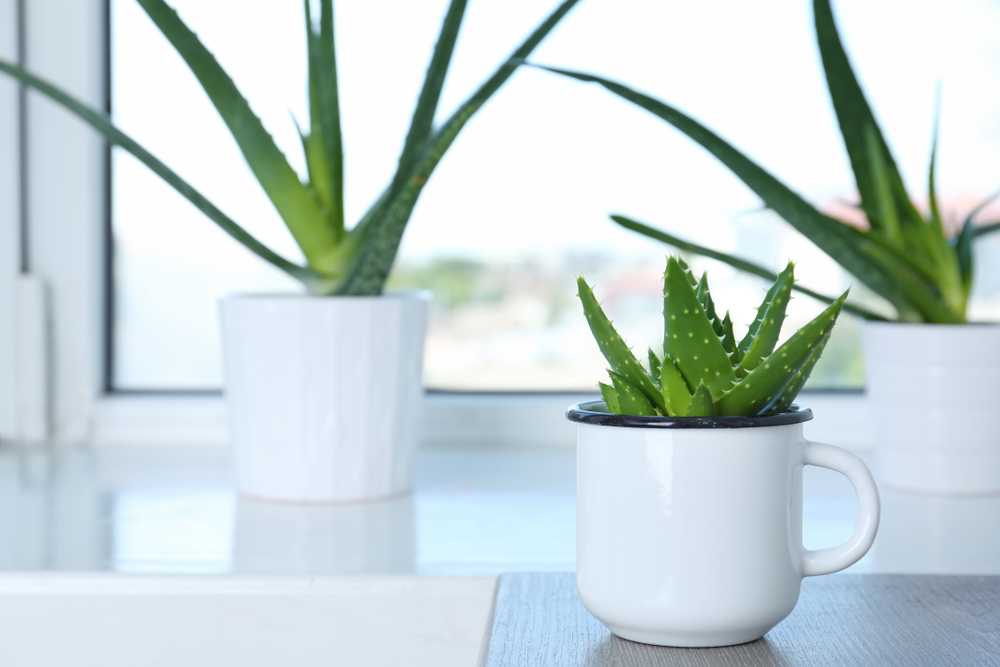
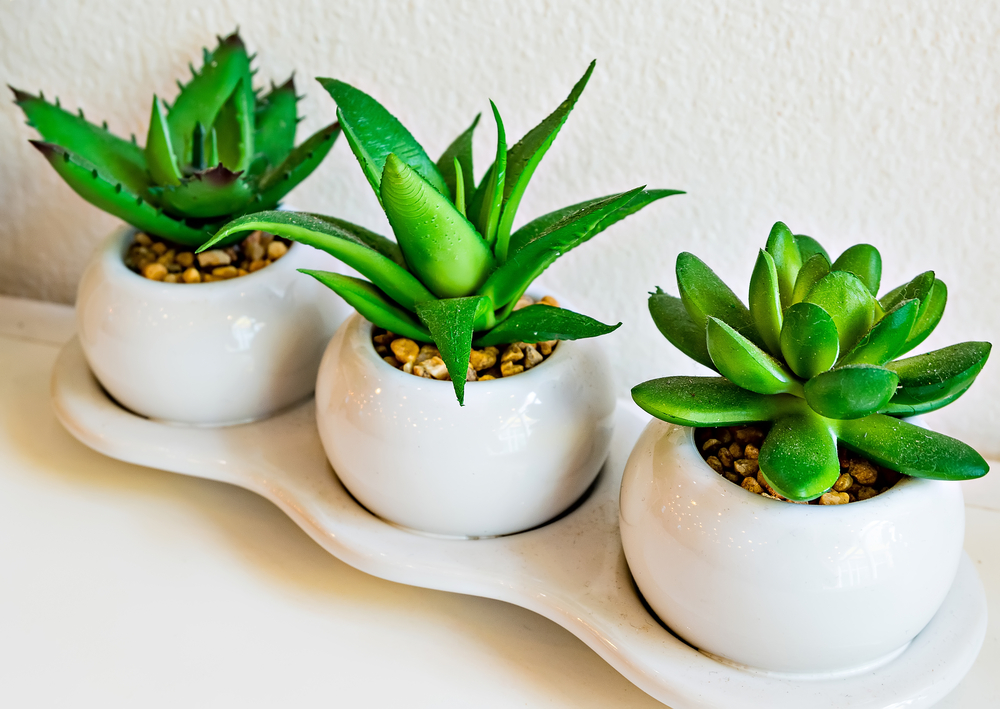
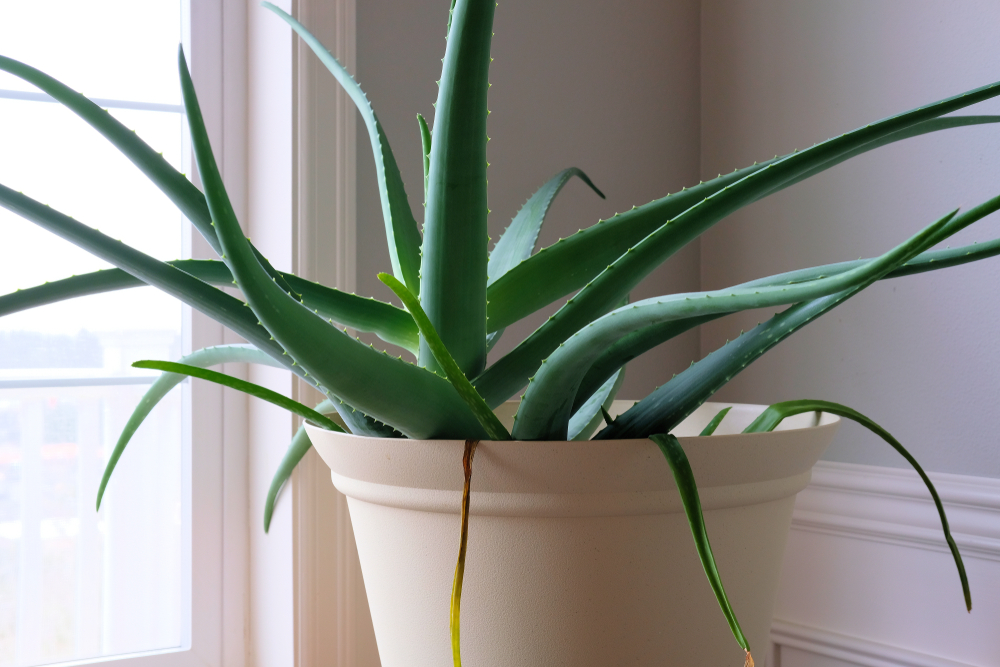
Since Aloe Vera is definitely not a fan of the frost, most of us in cooler climates grow it as a houseplant. The good news? It absolutely loves the dry air found in most homes and does great in containers.
Appearance
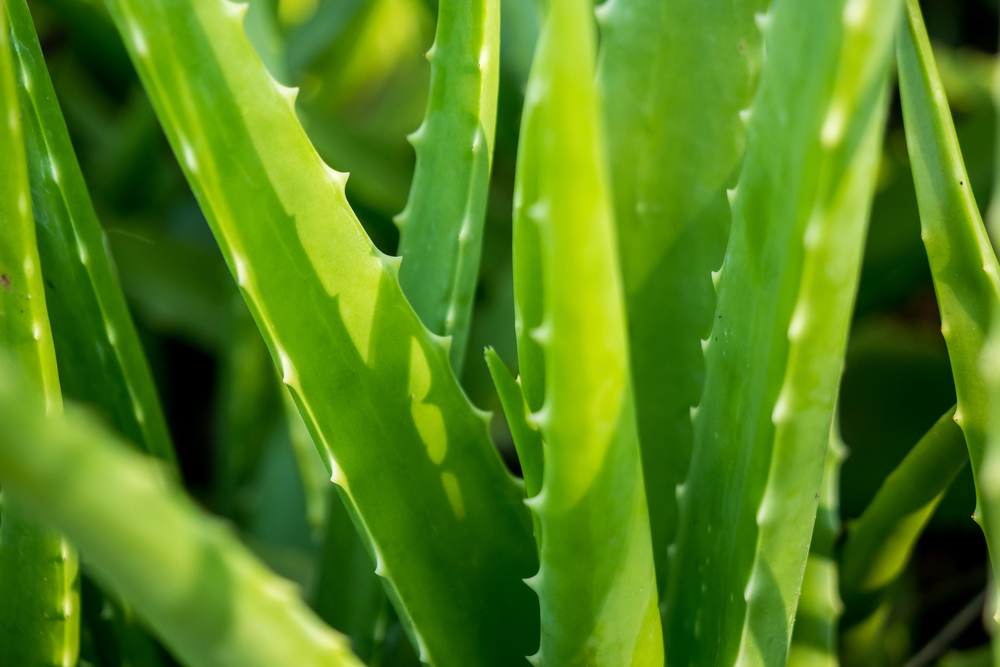
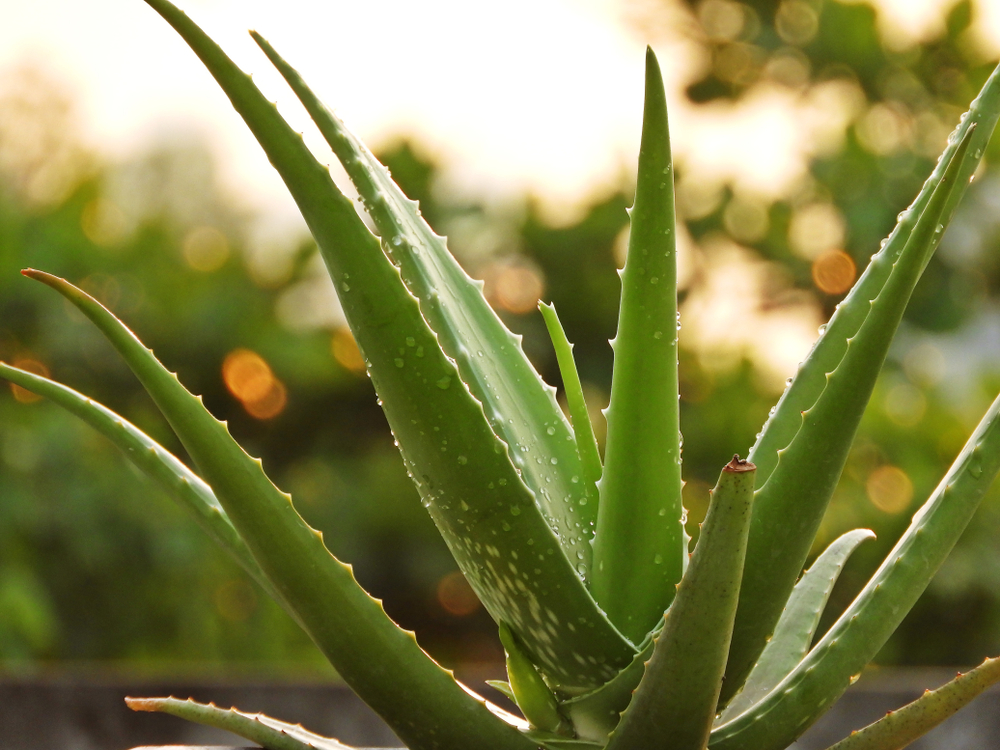
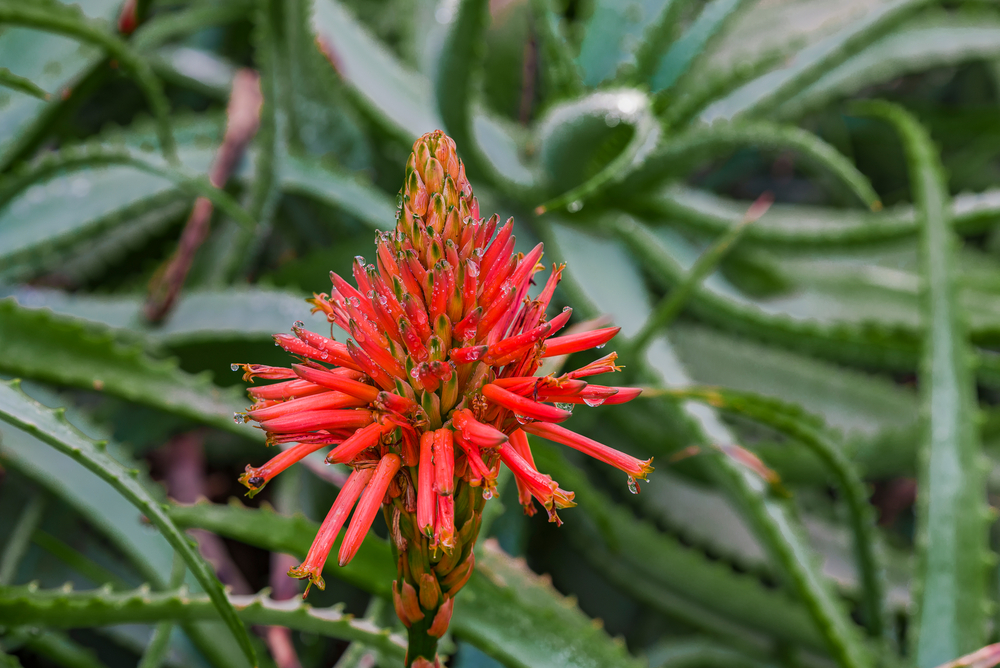
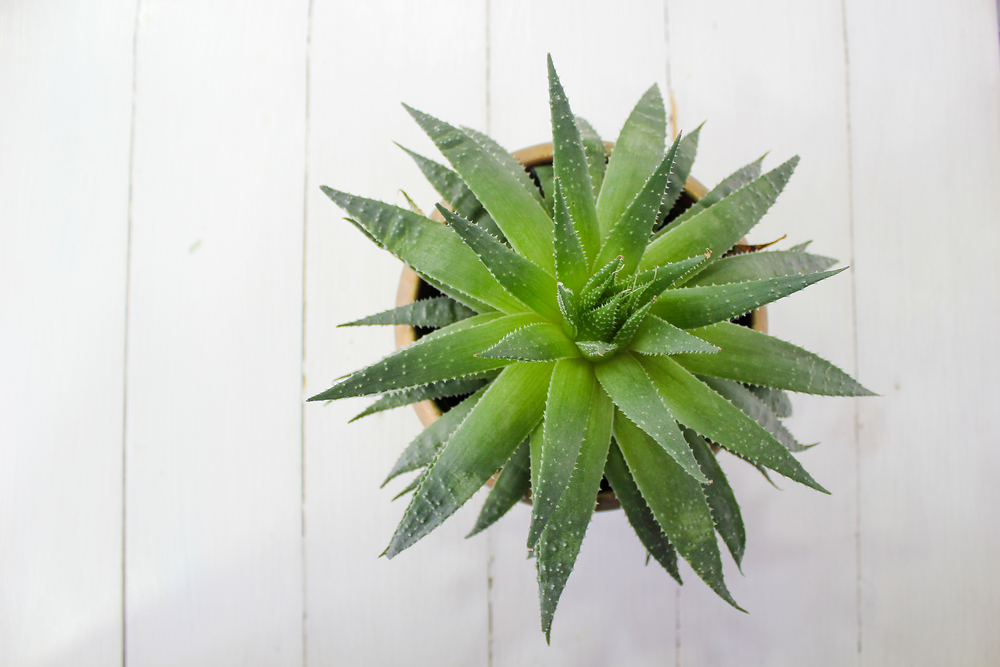
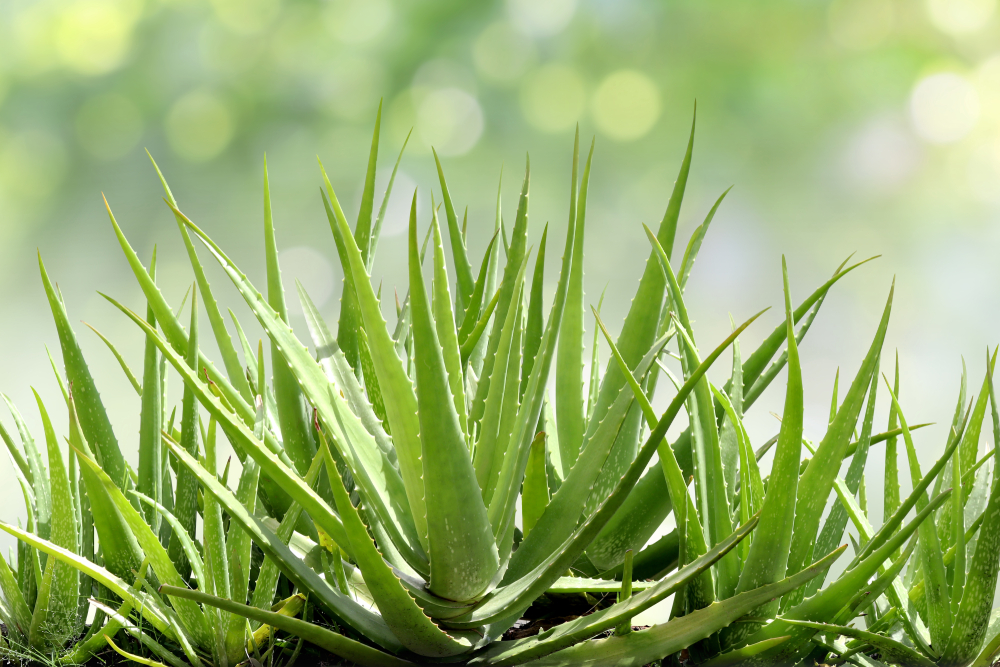
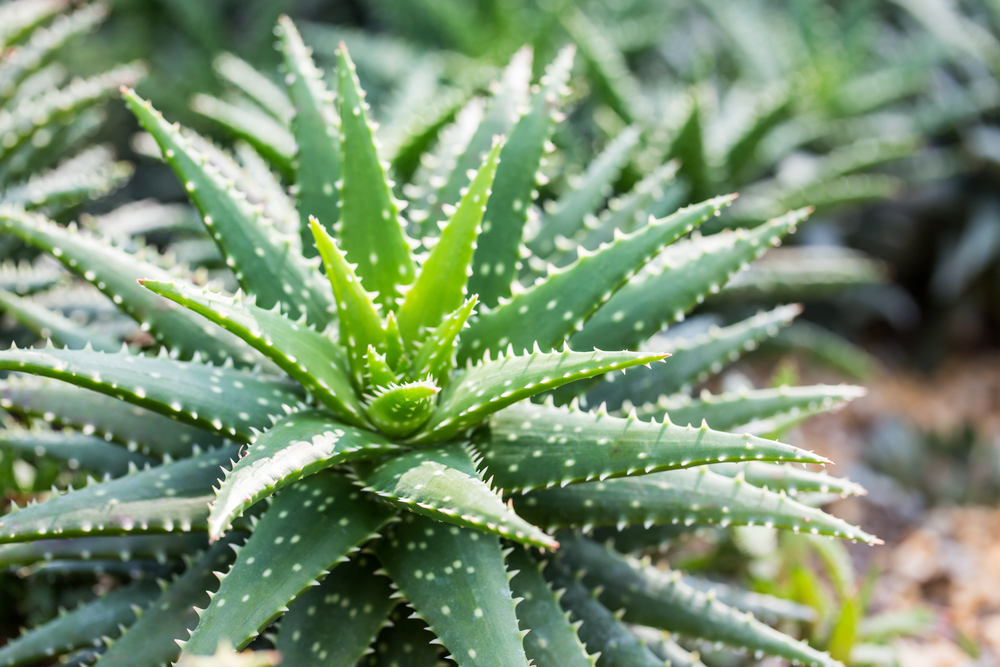
Aloe Vera is a “leaf succulent,” meaning it stores its water in those thick, fleshy leaves. It usually doesn’t have much of a stem, if any at all. The leaves grow in a beautiful rosette pattern and feature tiny little teeth along the edges. As a perennial, it grows upright and spreads out as it matures. In the spring, it can even send up a tall stalk with tubular flowers.
Quick Stats at a Glance
- Height: Up to 20 inches
- Width: Up to 20 inches
- Leaves: Dark to gray-green, serrated, growing in a rosette
- Bloom Time: May through September
- Flowers: Tubular clusters on a long stalk
- Colors: Yellow, orange, or red
- Lifespan: Can live up to 10 years or more
Location and Soil
If there’s one thing Aloe Vera loves, it’s a warm, sunny spot. Just a heads-up: if you have a young plant or one that’s been tucked away for the winter, ease it into the direct sun slowly so it doesn’t get “sunburned.” When it comes to soil, think well-draining. The ideal mix is:
- Slightly loamy
- Fresh but moderately dry
- Neutral to slightly alkaline
- Low in organic matter (humus)
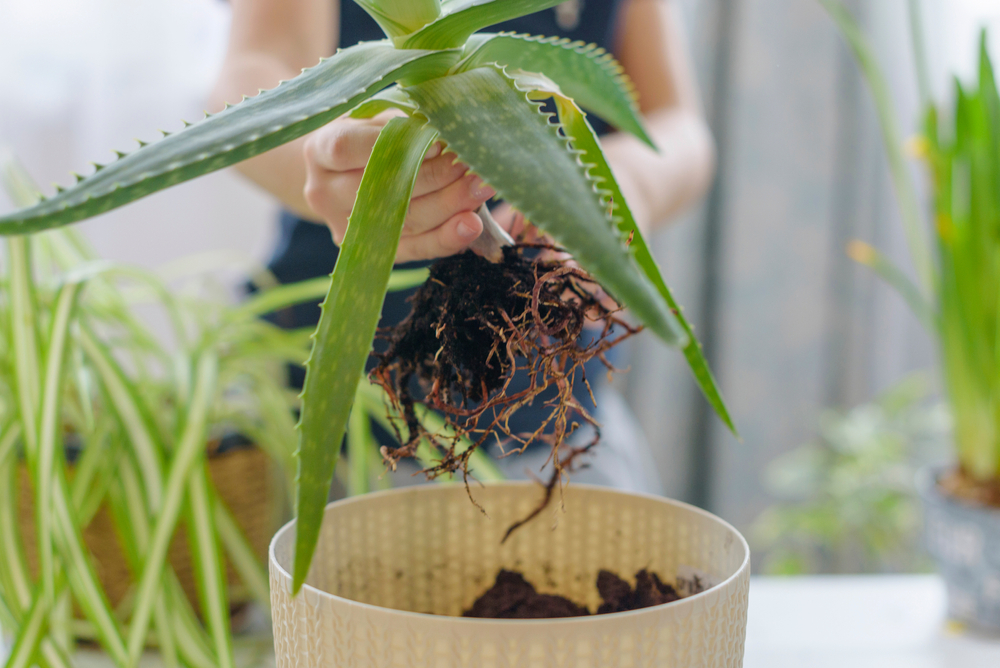
Because Aloe comes from regions with pretty poor soil, it’s used to getting by on very few nutrients. You only really need to feed it with a highly diluted liquid fertilizer right before it blooms. Honestly, if you repot your Aloe into fresh soil every couple of years, you might not need to fertilize at all!
Uses and Special Tips
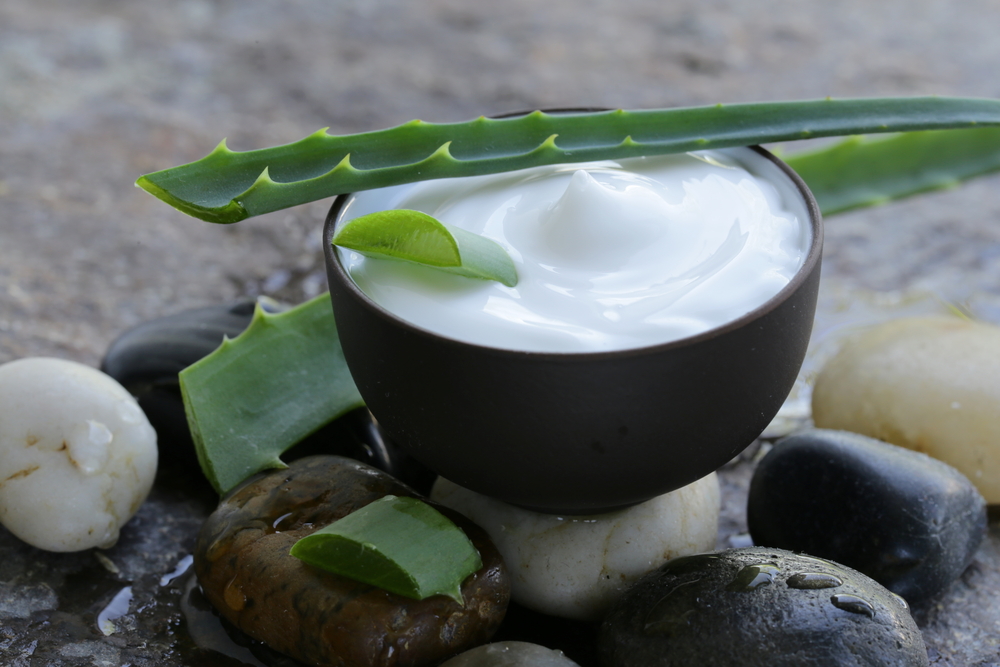
Aloe Vera is a triple threat: it’s a great patio container plant, a stylish indoor accent, and a famous medicinal plant. The gel inside the leaves is a lifesaver for skin irritations and burns. If you’re planning on harvesting your own gel for DIY skincare, just be careful—there’s a yellowish sap (aloin) just under the skin that can be irritating or toxic. Make sure to let that yellow sap drain out completely before using the clear gel inside.