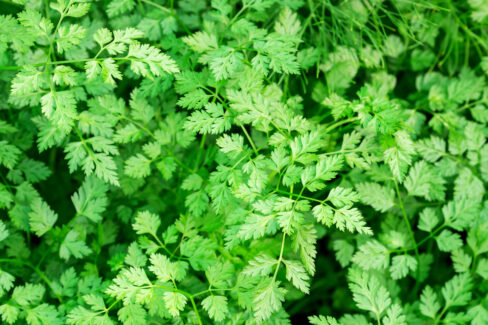
If you want a bountiful chervil harvest, picking the right spot in your garden is absolutely key. If the conditions aren’t just right, your plants will fizzle out before you even get a chance to enjoy them—and no gardener wants that! It’s definitely worth taking a few minutes to get to know what this herb really needs to thrive.
Partial Shade is the Secret to a Longer Harvest
Chervil can handle some sun, but it absolutely hates the scorching midday heat. Here’s the deal: the more direct sunlight it gets, the faster it starts to flower (or “bolt”). Once those flowers pop up, the leaves lose their magic, turning bland or even bitter. At that point, they’re pretty much useless for cooking, and your harvest season is over before it even started. To keep things tasty for as long as possible, sow your chervil in partial shade. It likes warmth, but full shade is a bit too dark for a healthy chervil crop.
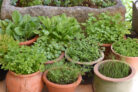
Chervil also does great in pots, much like its lookalikes parsley and cilantro. While these three are often mistaken for one another, they each have a very distinct flavor profile—so don’t try to swap one for the other in a recipe!
Soil Requirements: What Chervil Craves
When it comes to soil, chervil is a bit pickier than your average kitchen herb. It’s not a fan of poor, sandy soil, and it definitely doesn’t like “dry feet.” On the flip side, you don’t want the roots sitting in a swamp, either.
- Loosen the soil deeply before sowing.
- If you have heavy clay soil, mix in some sand or perlite to improve drainage.
- It loves nutrient-rich, humus-heavy soil.
- Don’t be afraid to mix in some compost if your dirt needs a boost.
Quick Tip:
If you have a massive harvest, don’t bother drying it—chervil loses almost all its flavor that way. Instead, you can freeze chervil for up to a year without losing that signature taste.
Give It Some Breathing Room!
Chervil isn’t exactly a “social butterfly” in the garden. It’s a bit of a loner and doesn’t like sharing its personal space with most other plants. The one big exception? Lettuce! Chervil and lettuce are total garden besties. Because chervil has such an intense aroma, it actually repels slugs, which helps keep your neighboring lettuce patch safe and hole-free.
Outdoor Timing: May Through the First Frost
Since chervil is an annual, it can’t handle a hard freeze. You should wait until mid-May (after the danger of frost has passed) to move it outdoors. However, if you live in a milder climate, you can get a head start and sow your seeds as early as late March.