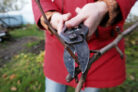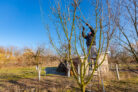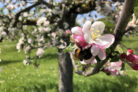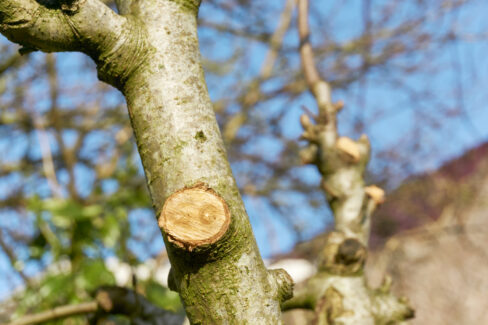
Old-school apple trees are a real treasure, especially for folks with sensitivities. Many people find they can enjoy these heirloom varieties even if modern supermarket apples give them trouble. That’s just one more reason to put some love and effort into maintaining a majestic old apple tree!
Why Your Tree Needs a “Youth Reset”
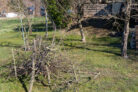
If a tree’s canopy has been neglected for years, it eventually gets “over-aged.” Between the lack of pruning and years of heavy fruit production, the tree just runs out of steam. You’ll notice the new growth stalls out, and the harvest becomes disappointing—small, lackluster fruit that only shows up every few years. When this happens, it’s time for a serious rejuvenation prune.
Year One: Thinning Things Out
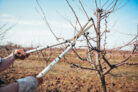
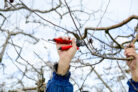
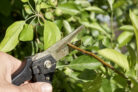
When you’re bringing an old tree back to life, you’ll eventually want to cut it back by about half—but don’t do it all at once! It’s much better for the tree if you spread the work out over a few seasons. Start in the fall of the first year by heavily thinning out the canopy to let some light in.
Year Two: Shaping the New Growth
By the second year, you should see fresh young shoots popping up on those previously bare branches. Now you can finish the heavier structural pruning. Be sure to protect any healthy fruiting wood that’s still producing. From here on out, treat those new shoots just like you would when pruning a young apple tree. In about 3 to 4 years, you’ll have a completely refreshed canopy framework.
Don’t Forget Wound Care
With these older trees, you have to be extra careful about “aftercare.” Large cuts are open invitations for diseases or fungal infections to move in. Make sure to use a quality wound dressing or pruning sealer from your local garden center to help the tree heal safely.