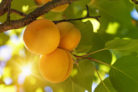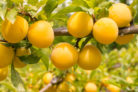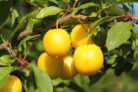
Whether you call them apricots or *Marillen* (as they do in Austria), these sun-loving trees aren’t just for big orchards—they actually do surprisingly well in containers! If you’re dreaming of picking sun-warmed fruit right in your own backyard, here are my top tips for getting your apricot tree off to a great start.
Planting in Containers
You might be wondering, “Why grow a fruit tree in a pot?” Well, the answer is pretty simple: flexibility. If you live somewhere with chilly winters or unpredictable springs, a container allows you to move your tree to a sheltered spot when the weather gets rough. Since apricots crave warmth, this is a total game-changer. For the best results, look for trees with these traits:
- Columnar apricot varieties
- Compact types that only spread about 15 to 25 inches wide
- Dwarf varieties that top out at around 7 feet tall
Make sure your pot holds at least 8 gallons (30 liters) of soil. Drainage is key—nobody likes soggy roots! Ensure there’s a hole in the bottom and add a layer of gravel or broken terracotta shards at the base for drainage. For the soil, a mix of quality garden soil, compost, and some organic horn meal (or a slow-release fertilizer) works wonders.
Planting in the Ground
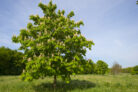
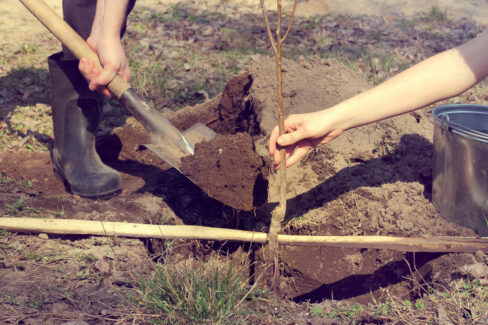
If you’ve got the perfect permanent spot, start by digging a hole at least twice as wide as the root ball. Take a moment to loosen the soil deep down so the roots can spread easily. Just like with pots, good drainage is vital, so consider adding a drainage layer if your soil is heavy. Before backfilling, mix your native soil with about 30% compost and a handful of organic fertilizer. Most importantly: make sure the graft union (that bump on the lower trunk) stays well above the soil line!
Finding the Perfect Spot
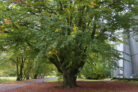
Apricots are sun worshippers. They want a spot that’s bright, sunny, and shielded from harsh winds. A south-facing wall is the gold standard—the wall soaks up heat during the day and radiates it back to the tree at night, which helps it thrive even when the temperature drops.
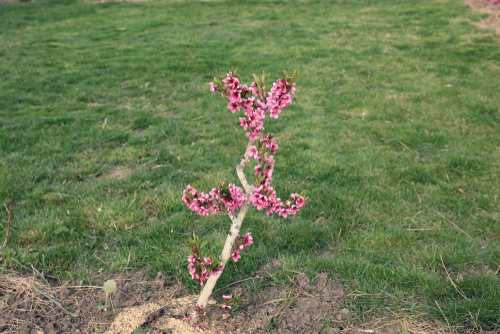
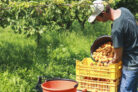
The best time to get your tree in the ground is in March, as soon as the soil has thawed out. You’ll be rewarded with beautiful blossoms between April and June, and by September, you’ll be ready to harvest those delicious, homegrown sweets!