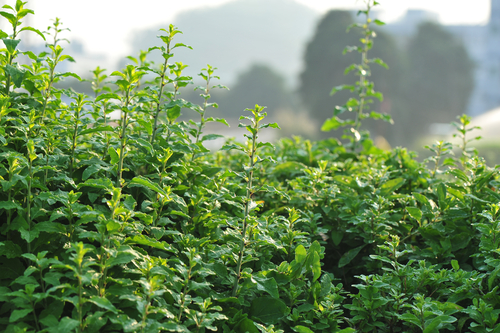
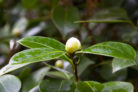
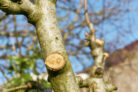
intro: Usually, Aronia (also known as Chokeberry) puts on a gorgeous show for about 10 days in May, covered in pure white blossoms. If your bush is looking a little bare this year, don’t panic! We’re diving into why your Aronia might not be blooming and how you can get those flowers back next season.
Why isn’t my Aronia blooming?
If your Aronia—which is actually a member of the rose family—isn’t flowering, it usually boils down to a few specific reasons:
- Aggressive pruning: If you cut back the main structural branches too hard, the plant often skips flowering the following year.
- Recent transplanting: If you’ve moved your bush lately, it’s likely focusing all its energy on establishing new roots rather than producing flowers.
Dry or overly acidic soil can also be the culprit. These plants are happiest in moist, humus-rich loamy or sandy soil with a higher pH level.
When do Aronia berries bloom?
Late spring—specifically May—is prime time for Aronia blossoms. The flowers are relatively small and white. It’s a short and sweet window, though; the show only lasts about 10 days. By August, you’ll be ready to harvest those delicious, healthy berries with their signature sweet-tart flavor.
Is it normal for an Aronia bush not to bloom?
While it’s not exactly “normal” for a healthy bush to skip its flowering phase, it’s definitely not a reason to worry. Most of the common causes are temporary, and your plant will almost certainly bounce back next year with the right care.
Could the location or frost be the problem?
Aronia loves a spot in full sun to partial shade, but surprisingly, the location doesn’t have a direct impact on the plant’s ability to form buds.
As for the cold? Aronia is a tough cookie. It handles ground frost and even double-digit freezing temperatures like a champ, so winter weather won’t stop it from blooming come spring.
How can I encourage my Aronia to flower?
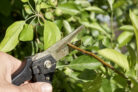
To ensure a beautiful spring bloom, the golden rule is to avoid heavy pruning. Stick to lightly thinning out the main branches. It’s best to start pruning in the first or second year after planting to keep the bush from getting too dense and tangled.
Also, keep an eye on your soil quality to make sure the plant has the nutrients it needs.
Can I still get fruit if there are no flowers?
Unfortunately, no. No flowers means no fruit, so you’ll have to sit out the harvest for that particular season.
- tipp Low maintenance, high reward
Aronia is a fantastic “set it and forget it” plant that rewards gardeners with a huge harvest for very little work. You don’t even really need to fertilize it—just mixing a little compost into the soil when you first plant it is usually enough. You only need to worry about regular watering during those exceptionally hot, dry summer stretches.