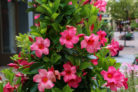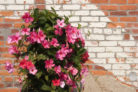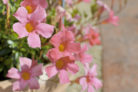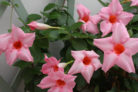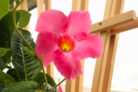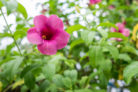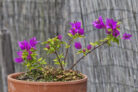
We all grow Dipladenia (also known as Mandevilla) for those stunning, non-stop blooms. So, it’s a total bummer when your plant suddenly stops flowering. Usually, when this happens, it’s your plant’s way of telling you that something is off with its environment or care routine.
The Root Causes
There are a few reasons why your Mandevilla might be acting shy, but most of them boil down to “growing pains” related to:
- Watering habits
- Fertilizing
- Pruning
- Lighting
- Winter dormancy
- Pests and diseases
Watering
Watering mistakes are the #1 reason these beauties stop blooming. It’s a bit of a balancing act: if the soil is constantly soggy (root rot territory), the plant suffers. On the flip side, if the soil gets bone-dry, the Mandevilla loses the energy it needs to produce flowers.
How to fix it:
- Water your Dipladenia regularly, but keep it moderate.
- If it’s outdoors, make sure it’s protected from heavy downpours to avoid waterlogging.
- Never let the root ball dry out completely.
Fertilizing
Growing those lush vines and vibrant flowers takes a ton of energy. Mandevillas are hungry plants, and they’ll burn through the nutrients in their potting soil faster than you’d think. Once the “fuel tank” is empty, the flowers are the first thing to go.
How to fix it:
- Feed your Dipladenia regularly during its active growing and blooming season.
- Aim for a liquid fertilizer boost at least every two weeks.
Pruning
Here’s the trick: Dipladenia blooms on *new* growth. If you prune at the wrong time, you might be accidentally cutting off this year’s flower buds before they even have a chance to start.
How to fix it:
Wait until late winter to do any heavy pruning. This encourages a flush of fresh growth just in time for the new season.
Lighting
Mandevillas are sun-lovers! To get that “wow” factor, they need plenty of bright light. If your plant is stuck in a shady corner, it’ll focus on leaves rather than flowers—or just stop growing altogether.
How to fix it:
- Move your plant to a brighter location.
- If it’s been in the dark for a while, move it into the sun gradually so the leaves don’t get sunburned.
Winter Dormancy
To put on a big show in the summer, Mandevilla needs a little “beauty sleep” during the winter. If you keep it in a room that’s too warm over the winter, it won’t realize it’s time to reset, which can lead to a flowerless summer.
How to fix it:
- Next winter, find a cooler spot for your plant to rest.
- The sweet spot is between 50°F and 60°F (10 to 15°C).
- Be patient! Plants that have overwintered indoors often don’t start blooming until June.
Pests and Diseases
If your plant is fighting off pests or diseases, it’s going to divert all its energy into survival rather than aesthetics. In this case, the lack of flowers is actually a secondary problem—your main goal is saving the plant itself!