Most of the carnivorous plants you’ll find at the local garden center aren’t actually built for a cold winter. However, if you’re looking to add some “bite” to your backyard year-round, there are several hardy species that can handle the frost just fine. For the more sensitive tropical types, you’ll need to bring them inside to keep them happy until spring.
Choosing Hardy Species
Did you know there are actually 15 carnivorous species native to Germany (and many similar ones in North America) that can stay outdoors all winter? These are perfect for a backyard bog garden or the marshy edges of a pond.
Here are some great hardy options for your garden:
- Utricularia australis (Bladderwort)
- Utricularia vulgaris (Common Bladderwort)
- Pinguicula alpina (Alpine Butterwort)
- Pinguicula vulgaris (Common Butterwort)
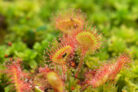
- Drosera anglica (Great Sundew)
- Drosera rotundifolia (Round-leaved Sundew)
Pro tip: Most native carnivorous plants are strictly protected. Never dig them up or collect seeds from the wild! Instead, grab your plants or seeds from a reputable specialty nursery.
Winter Care Outdoors
Hardy carnivorous plants are pretty low-maintenance once the temperature drops. To give them a little extra love, you can cover them with some brush or evergreen branches in late fall. This keeps heavy snow from crushing the plants and helps preserve more of their foliage through the winter.
Just make sure to clear that brush away early in the spring! A common mistake is leaving the winter mulch on too long. If the ground stays covered, it won’t warm up as fast, which can delay or even prevent your carnivorous plants from blooming.
Overwintering Tropical Exotics
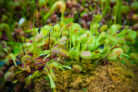
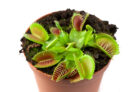
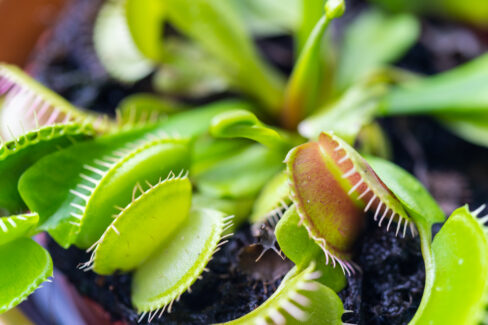
If you check out a carnivorous plant profile, you’ll see that the most popular ones come from warm, tropical climates. Exotic favorites like Venus Flytraps or Pitcher Plants (Nepenthes) need a cozy spot indoors to survive the winter.
The big keys here are light and humidity. A south-facing window in a room that stays around 50-60°F (10-15°C) is usually the sweet spot. Dial back the watering during these months so they stay moist but not soggy.
Tropical Pitcher Plants are a bit of an exception—they don’t really go dormant and can grow year-round. Just make sure they get plenty of light (you might need a grow light) and keep the humidity up by giving them a regular misting.