If you want to know how your magnolia is doing, just take a look at its leaves. They’re usually the first to tell you if something’s up, whether it’s a nutrient deficiency, a pesky disease, or an insect problem. If your magnolia starts dropping leaves, don’t panic—but do pay attention. Here’s a breakdown of why it might be happening.
When Autumn Rolls Around
Whether you’ve planted your magnolia as a shrub or a tree, it usually behaves like most other deciduous plants: when fall hits, the leaves start to drop. Unless you’re growing one of the evergreen varieties, this is just the plant’s natural way of getting ready for winter. It’s totally normal and nothing to worry about!
Leaf Drop in the Summer
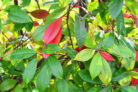
It gets a bit more concerning if your magnolia starts losing leaves in the spring or summer. Usually, the color of the fallen leaves will give you a big hint about what’s going wrong. Here’s what to look for:
- Yellow leaves: This often means your plant is craving magnesium. A little fertilizer should do the trick.
- Brown leaves: This is usually a sign of thirst. Your magnolia likely needs more water.
- Brown leaves (with soggy soil): Confusingly, brown leaves can also mean “wet feet” or root rot from standing water. If the soil is swampy, try gently loosening the earth or moving the plant to a spot with better drainage.
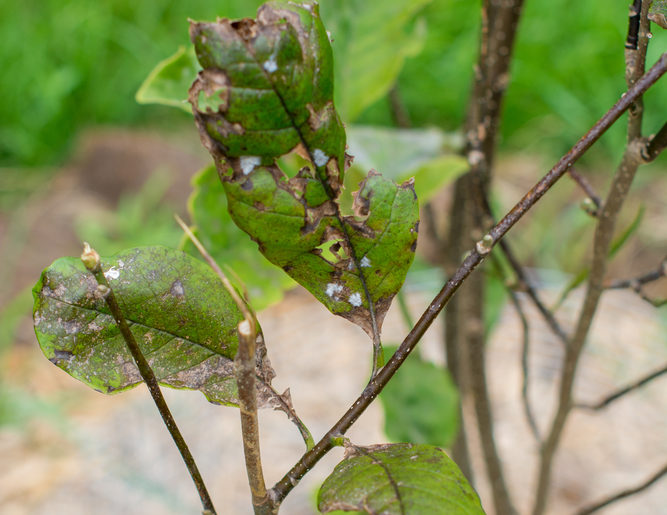
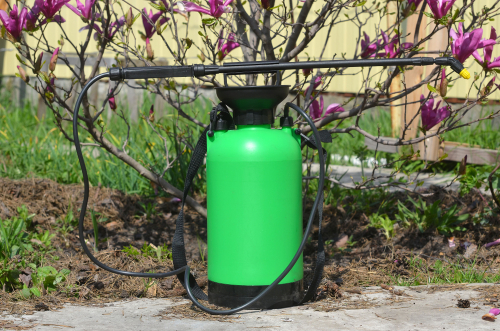
- White spots: This is a classic sign of powdery mildew. You’ll want to prune back the affected areas and treat the plant with a fungicide.
The Stress of Moving
Another reason your magnolia might be dropping leaves is “transplant shock.” Magnolias—especially older, established ones—really don’t like having their roots disturbed. If you’ve recently moved your tree, it might drop its leaves because the damaged root system can’t keep up with the plant’s demand for water and nutrients. Give it some extra TLC while it tries to settle into its new home.