Pruning a banana tree isn’t strictly necessary for the plant’s health, but because these beauties grow so incredibly fast, they often end up with yellow or brown leaves. When that happens, you’ll want to tidy them up. Let’s dive into the details!
A Little Botany Lesson
First off, fun fact: banana trees aren’t actually trees! What looks like a trunk is actually a “pseudostem” made of tightly packed leaf bases rather than wood. Since some varieties can soar up to 30 feet high, that pseudostem can grow to be 15 inches thick. Part of the Musaceae family, these monocots come in over 100 different species worldwide.
Keep in mind that flowers usually don’t show up for 2 to 5 years, and once they do, it can take another full year for the fruit to actually ripen.
Trimming the Leaves
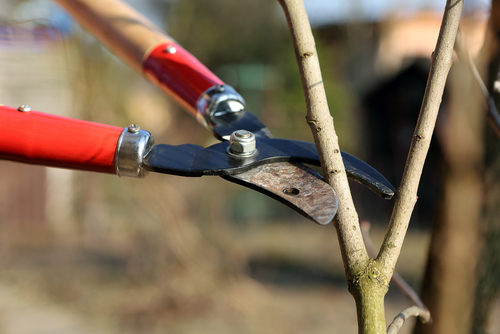
Bananas are super resilient when it comes to pruning, even if they don’t “need” it to survive. Your main goal here is just maintenance—removing old, brown leaves to keep things looking fresh. Because the leaves are so large, they catch the wind easily and can get pretty tattered or frayed. You can go ahead and snip those messy edges off without a worry.
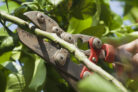
If you’re looking to clear out some foliage, grab a sharp knife and cut the leaf off close to the trunk. Regularly removing the lower leaves is actually how you give the plant that classic, tree-like tropical look.
Fall Pruning
If you’re growing a cold-hardy variety outdoors, like the popular Musa basjoo, you’ll need to prep it before winter hits. For these, you’ll want to cut the pseudostems down to about 20 inches. Since a mature banana plant can have a trunk over a foot wide, a knife won’t cut it—you’ll likely need a saw for this job!
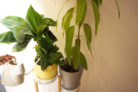
Even if you’re moving a potted banana tree into a cool basement for the winter, you might find yourself needing to prune it just so it fits through the door or under the ceiling.
Pruning the Blooms
If you’re lucky enough to have a blooming banana plant, here’s a pro tip: once several clusters of fruit have formed, cut off the remaining “bud” at the end of the stalk. This helps the plant put all its energy into ripening the fruit faster. Interestingly, in Southeast Asia, these banana blossoms are considered a delicacy and are eaten both raw and cooked!
Quick Tip: Try not to go overboard with the pruning shears in the spring. The plant needs those green leaves for photosynthesis to build up its strength for the growing season. A few yellow or frayed edges won’t hurt—it just adds to that authentic jungle vibe!