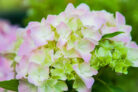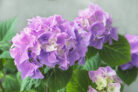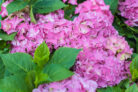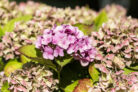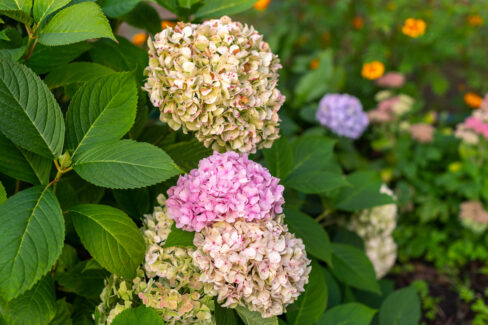
You can tell a lot about a plant’s health just by looking at its leaves. If your hydrangeas are suddenly sporting yellow leaves, don’t just brush it off! It’s usually a sign that your plant is missing key nutrients or isn’t happy with its soil. Here is how to play garden detective, find the cause, and get your hydrangeas back to their vibrant selves.
Common culprits include:
- Iron deficiency
- Nitrogen deficiency
- Incorrect soil pH
Is it an iron deficiency?
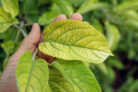
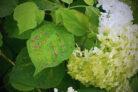
Your hydrangea might be suffering from chlorosis. You’ll know it’s this if the new, fresh leaves turn a pale yellow while the veins stay bright green, creating a distinct “skeleton” look. This is a classic sign of iron deficiency, and you’ll want to jump on it quickly.
To fix this, fertilize your hydrangeas with a product specifically designed to boost iron levels. Just a heads-up: some of these treatments can be a bit harsh, so it’s a good idea to wear gloves and protective gear while applying them. Generally speaking, you should always keep your hydrangeas well-fed during the growing season, as producing those gorgeous blooms takes a ton of energy!
Not enough nitrogen?
A lack of nitrogen can also turn your plant yellow, but the pattern is different. In this case, the older leaves usually turn yellow first. Eventually, the entire plant starts looking pale and thin. If left untreated, your hydrangea won’t bloom at all. To get things back on track, apply a nitrogen-rich fertilizer—just be careful not to overdo it, as too much can be just as bad as too little.
Is the soil pH off?
Sometimes the issue isn’t what’s in the soil, but the location’s pH level. This is especially common with red hydrangeas, which prefer a slightly higher pH. If the soil is too alkaline or too acidic for the specific variety, the plant might lose its ability to absorb iron properly.
If you suspect a pH issue is causing those yellow leaves, it’s time for a quick test. You can pick up a simple pH test kit at any garden center. If the levels are off, try mixing in some organic compost to help balance the soil and get those nutrients flowing again.