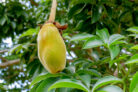
The Baobab tree is a total breeze to care for, which is exactly why it’s such a hit as a houseplant. But if you notice your tree dropping leaves like crazy, it’s usually a red flag that something’s off. Don’t panic, though—if you act fast, you can usually get it back on track.
Natural Leaf Drop
First off, don’t freak out if you see a few stray leaves on the floor. It’s totally normal for a Baobab to shed a bit as part of its natural “self-cleaning” and survival strategy. While these trees are champions at handling drought, they will start ditching leaves if they go too long without a drink to conserve energy.
You might see this happen more often when you’re overwintering your tree. During the winter months, you want to water very sparingly, but you shouldn’t let the root ball turn into a desert. When you cut back on the water, the tree flips into “power-saver mode.” This is actually a good thing—it’s often the only way to encourage your Baobab to actually bloom!
Root Trouble
The Baobab is a bit of a sensitive soul when it comes to its root system. It relies on a healthy network of roots to soak up hydration, so if those roots get damaged, the leaves are usually the first things to go.
Root damage most commonly happens during repotting. Any little nicks or tears can become an open door for pathogens and diseases, which can sometimes be fatal for the tree if they take hold.
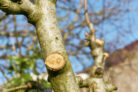
If you do accidentally snag a root while repotting, use a clean, sharp pair of shears to give it a smooth, clean cut. The tree handles a “surgical” snip much better than a jagged or crushed tear. While you’re at it, if you spot any mushy or unhealthy-looking roots during the move, go ahead and trim those off too.
Pests
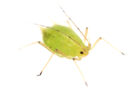
One of the most common headaches for indoor gardeners is the dreaded fungus gnat. Usually, these annoying little flies hitch a ride into your home via low-quality potting soil or a new plant that’s already carrying larvae in the dirt.
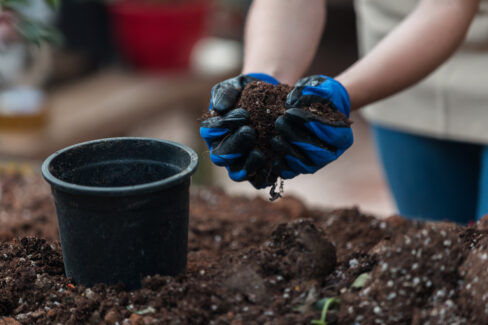
The real problem isn’t the flies themselves, but the larvae that munch on your tree’s roots. If you spot an infestation, you need to repot your tree immediately. Swap out all the old soil, give the roots a good rinse, and make sure to scrub the pot and saucer with hot water.
Once your Baobab is settled in its fresh soil, hold off on watering for about a week. This helps dry out and kill off any remaining larvae. You can also pop some yellow sticky traps in the pot to catch the adult gnats and keep them from starting the cycle all over again.