Most exotic plants are total divas when it comes to pests and diseases, but the Baobab is actually a tough cookie. While you might run into a few bugs every now and then, actual diseases are super rare for these guys.
Hardly Ever Sick
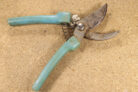
For the most part, you don’t have to worry about your Baobab catching anything. They aren’t really prone to bacteria or fungi. That said, whenever you’re pruning your Baobab, you should always make sure your shears are clean and sterile.
Even though they’re hardy, it’s not impossible for a little infection to pop up at a cut site. If you notice something looking funky, just trim that branch back well into the healthy wood to stop it from spreading.
Common Pests
You’re much more likely to deal with uninvited guests than actual diseases, but luckily, most pests are easy to prevent. You’ll want to keep a close eye on your tree while it’s overwintering, as that’s when they usually strike.
The usual suspects include:
- Mealybugs
- Spider mites
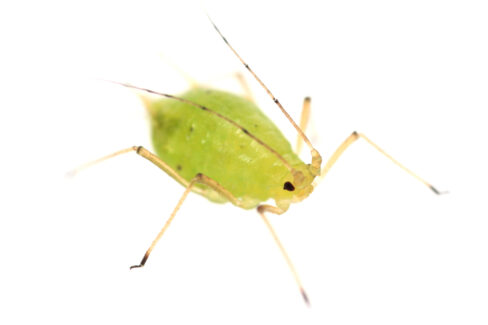
- Aphids
Make it a habit to check your Baobab regularly while it’s indoors for the winter. A great pro-tip to keep bugs away is to give the leaves a regular misting with water. Spider mites, in particular, hate humidity! Just make sure you’re also keeping the room at the right temperature during the dormant season.
What About Dropping Leaves?
Every once in a while, you might notice your Baobab losing leaves. Losing a leaf here or there is totally normal. However, if your tree starts dropping leaves like crazy, it might be a sign of fungus gnats.
If this happens, check the roots immediately. Baobabs are very sensitive to root damage, and if the problem gets out of hand, it can actually kill the tree. If you find an infestation, take the tree out of its pot, get rid of all the old soil, and gently wash the roots with lukewarm water. Don’t forget to give the pot and saucer a good scrub with hot water, too!
When you repot your tree, hold off on the heavy watering. Fungus gnat larvae love soggy soil, so keeping things on the dry side will help kill off any stragglers. Moving forward, just remember to take it easy with the watering can, especially during the winter months.