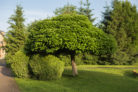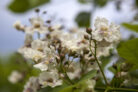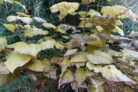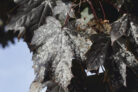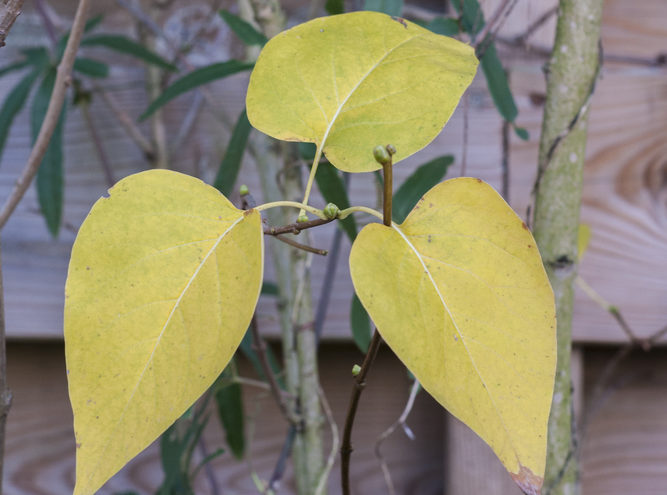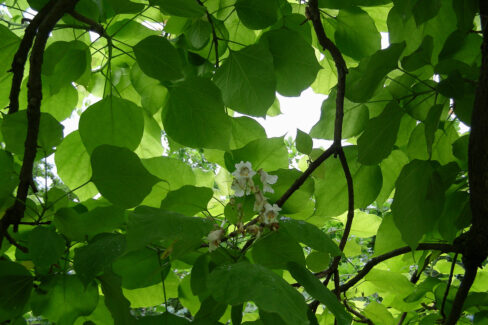
The Catalpa tree (often called the Cigar Tree or Southern Catalpa) is deciduous, which means it’s totally normal for it to drop its leaves as the weather cools down in the fall. However, if your tree starts looking bare in the middle of summer, you might have a problem on your hands.
Natural Leaf Drop in Fall and Winter
Since the Catalpa isn’t an evergreen, it naturally sheds its entire canopy every autumn. It’s also a bit of a “late sleeper” in the spring—it takes its sweet time with bud break, so don’t panic if your tree stays bare longer than your other plants. This is just how the tree grows and isn’t anything to worry about.
Why is my Catalpa losing leaves early?
If your tree starts dropping leaves while it’s still warm out, it’s usually down to one of two things:
- Care issues, specifically a lack of water or nutrients.
- A run-in with Verticillium wilt.
Getting the Care Right
Catalpas love a sunny, warm, and bright spot with soil that is loose, nutrient-rich, and well-draining. You’ll want to keep the soil consistently moist, but be careful not to let it get waterlogged (no “wet feet”!). On those scorching summer days, you might even need to water your tree a couple of times a day to keep it happy.
Regular fertilizing is a must, especially for younger trees. Just be careful with the dosage—too much fertilizer can be just as damaging as too little. Be especially cautious with nitrogen-heavy fertilizers; a little goes a long way!
Dealing with Verticillium Wilt
If your leaves are shriveling up and falling off prematurely, you might be dealing with Verticillium wilt. This is a tricky soil-borne fungus that’s tough to treat. The fungus gets inside the tree’s “plumbing” (the vascular system) and chokes off the supply of water and nutrients to the branches. Without that nourishment, the leaves dry out and drop.
If you spot this, you’ve got to act fast. Prune back any affected branches well into the healthy wood. If possible, move the tree to a new location with fresh soil. With a bit of luck and some patience, your Catalpa might bounce back. However, if the fungus has already spread through the entire tree, it unfortunately might be too late to save it.