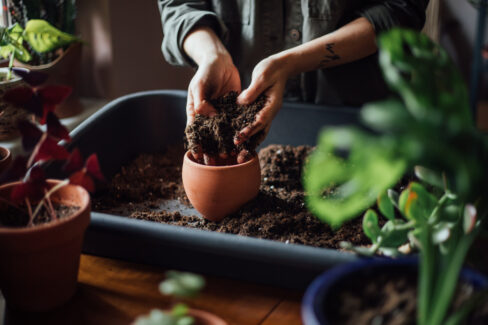
Because of the extreme conditions in its native habitat, the Baobab tree has developed a pretty aggressive root system. This means if you’re growing one at home, you’ll need to treat your tree to a new pot on a regular basis.
Serious Root Growth
The Baobab originally hails from the arid regions of Africa. It’s a master of survival, capable of storing water in its trunk to live off of for weeks or even months at a time. To soak up as much water as possible during those brief rainy seasons, it has to grow a massive network of roots.
While that’s a great survival strategy in the wild, it means that when you’re growing it as an indoor houseplant, you’re going to be repotting quite often.
When to Repot
The best time to move your Baobab to a new home is when you see roots starting to poke through the drainage holes at the bottom of the pot. This rule applies even if you’re growing your Baobab as a bonsai, though you won’t have to repot nearly as often with the bonsai version.
As for the season, spring is your best bet. If you keep your tree in a cool spot over the winter, try to repot it just before you move it back outside for the warmer months.
The Right Soil
Since the Baobab is a succulent, it loves loose, well-draining soil that isn’t too heavy on nutrients. It really thrives in a mix with a high mineral content. A standard store-bought cactus soil works perfectly. Alternatively, you can mix some herb soil with a bit of compost and sand.
Step-by-Step Repotting Guide
When picking out a new container, make sure there’s at least 4 inches (10 cm) of space between the roots and the edge of the pot. If you go too small, you’ll find yourself repotting again by next year!
How to repot your Baobab:
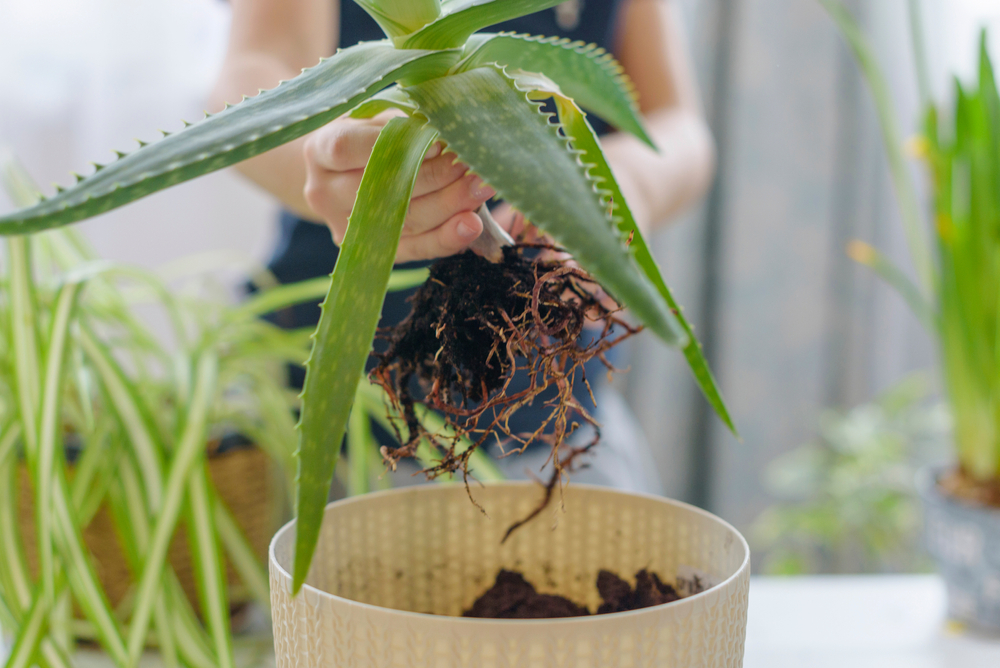
- Gently remove the tree from its current pot.
- Carefully shake off the old soil.
- Check the roots for any signs of damage.
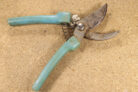
- Use clean shears to snip off any damaged or dead roots.
- Add a drainage layer (like expanded clay pebbles) to the bottom of the new pot.
- Add a layer of fresh soil.
- Place your Baobab in the center and fill in the rest.
- Give it a light watering.
While your Baobab is settling into its new home, be careful not to overwater it. Too much moisture before the roots have established can cause rot. Only water again once the top layer of soil feels dry to the touch.