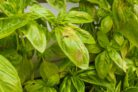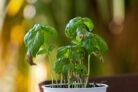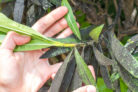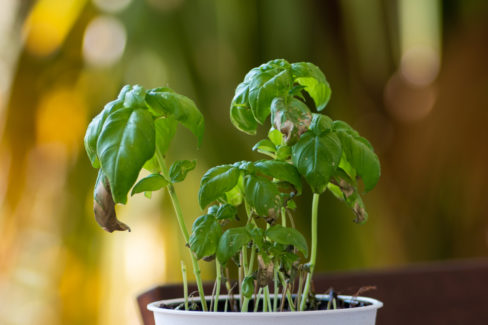
Basil has been a staple in European gardens since the 12th century, though its roots likely trace back to India. It’s a kitchen favorite, but it can be a bit finicky. If you’ve noticed your basil plant starting to develop brown leaves, don’t panic! There are a few common reasons why this happens. Let’s dive into how to fix it.
The Grocery Store Basil Struggle
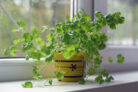
We’ve all been there: you pick up a lush, beautiful basil plant from the supermarket, and within a few days of bringing it home, it starts looking sad. These plants are usually raised in industrial greenhouses with perfectly controlled heat and high humidity. Your kitchen or windowsill is a totally different environment, and that “culture shock” often leads to brown leaves. Plus, the trip home in a dark, chilly car or bag doesn’t help.
To help your new plant acclimate, try these tips:
- Most store-bought herbs come wrapped in plastic sleeves. Instead of ripping it off immediately, slide it down a little bit each day. This lets the plant gradually adjust to the lower humidity in your home.
- If you see yellow or brown leaves shortly after buying, it might be a nutrient deficiency. Give your potted basil a quick boost with some liquid fertilizer . If that doesn’t do the trick, try repotting the plant and gently dividing the root ball into three smaller sections to give them more room to breathe.
Finding the Perfect Spot for Your Basil
Brown leaves are often a cry for help regarding the plant’s environment. To keep your basil happy, you need to mimic its favorite conditions. Basil loves soil that is rich in organic matter and drains well. Since it’s a “heavy feeder,” it needs regular fertilizing to keep those leaves green and flavorful.
When it comes to watering, basil prefers lukewarm, soft water (low in lime). It’s best to water in the morning, and try your hardest not to get the leaves wet—water droplets can act like tiny magnifying glasses in the sun or encourage rot, both of which cause browning. Also, make sure the pot isn’t sitting in standing water; soggy “feet” are a one-way ticket to root rot.
Temperature is also key. Basil is a tropical soul and loves it around 70°F (20°C). If the temperature drops below 55°F (12°C), the plant will stop growing and start to suffer. Dry air is another culprit for brown edges, so keep an eye on the humidity.
Lastly, let’s talk light. Basil needs plenty of brightness, but it can actually get a “sunburn.” Avoid placing it in harsh, direct midday sun, which can scorch the delicate leaves and turn them brown.
If you follow these steps, your basil should bounce back in no time! You can simply pinch off any leaves that are already brown.
Pro Tip: If you’re out of fertilizer, check your pantry! Used green or black tea leaves make a great supplement. Just dry the tea grounds and mix them into the soil, or water your plant with cooled-down tea. The nutrients are easily absorbed and give your herbs a natural boost.