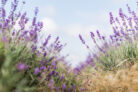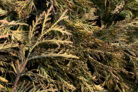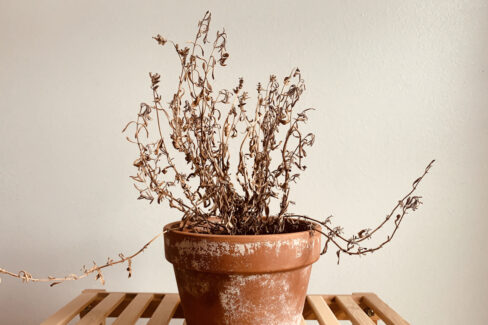
If you’ve noticed your lavender starting to turn brown and look a bit sad, don’t panic! There are a few common reasons why this happens, and usually, it comes down to the wrong spot in the yard or a little too much “tough love” in the care department. Here’s the lowdown on what to watch out for and how to get your lavender back to its fragrant, happy self.
Watch Out for Soggy Feet (Waterlogging)
Lavender is one of those plants that really hates having “wet feet.” In its natural habitat, it thrives in dry, nutrient-poor soil. If the water can’t drain away and starts pooling around the roots, the plant can’t breathe or take up nutrients properly. Even worse, the roots can start to rot. Once that happens, the foliage turns brown, and the plant might even die. If you see this happening, you’ve got to act fast!
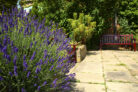
The Ideal Spot for Lavender:
- Dry, well-draining soil
- Sandy substrate or chalky/lime-rich soil
- Low-nutrient (lean) soil
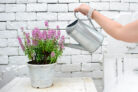
If you’ve been a little too heavy-handed with the watering can, that might be why your lavender is browning. If your garden soil is naturally heavy or clay-like, you’ll need to make some changes. You can try adding a drainage layer (like gravel or sand) to help the water move through, or simply move the lavender to a sunnier, drier spot where it’ll be much happier.
Other Common Culprits
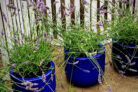
While lavender loves the sun, extreme drought can occasionally cause issues—especially during those intense summer heatwaves. Keep in mind that lavender grown in pots dries out much faster than plants in the ground, so keep a closer eye on your container gardens. The golden rule? Water your lavender moderately and only fertilize it once a year at most. They actually prefer a “less is more” approach!
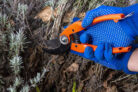
Now, if you’re seeing dark brown or even black spots on the leaves, you might be dealing with something else entirely: a fungus called *Phoma lavandulae*. This pesky fungus attacks the plant tissue and can spread quickly. If you spot it, grab your garden shears and prune away all the infected areas immediately to save the rest of the plant.