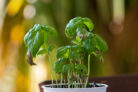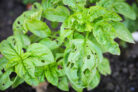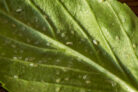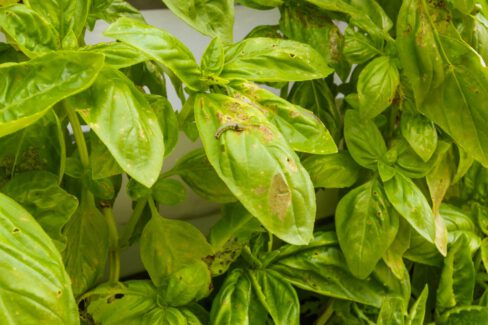
So, you just bought a gorgeous, lush green basil plant, and suddenly those pesky spots start appearing on the leaves? It’s super frustrating, but don’t worry—you’re not alone! Let’s dive into why this happens and how you can get your basil back to its vibrant self.
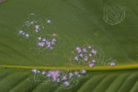
Why is my basil getting spots?
- Shock from a move: An abrupt change in location or temperature is a major culprit. Most store-bought potted basil is raised in a cozy greenhouse, then shipped in dark, chilly trucks. By the time it hits your kitchen, it’s stressed out and struggling to acclimate, which often shows up as brown spots.
- It’s too chilly: Basil is a total sun-seeker. If the temperature at its spot drops below 60°F (15°C), those spots can pop up quickly. Once it hits about 54°F (12°C), the plant stops growing altogether. It also hates “yo-yoing” temperatures.
- Watering woes: Finding the “Goldilocks” zone for watering is key. Too much water leads to root rot, while too little causes the plant to dry out. Both extremes result in leaf damage and spotting.
- Uninvited guests: If the air around your plant is too dry, pests like thrips and spider mites will move right in. They love dry conditions and can multiply faster than you’d believe!
- Hungry plants: Unlike hardier herbs like thyme, basil is a “heavy feeder.” If it doesn’t get enough nutrients, it’ll let you know with spots or weak, spindly growth.
How to fix it and keep your basil happy
When you bring a new plant home, try leaving the plastic sleeve on for a day or two. It acts like a mini-greenhouse and helps the plant adjust to your home’s temperature gradually. Find a warm, bright spot—like a sunny windowsill—but be careful with direct, scorching midday sun; it can be a bit too intense at first.
Keep things steady
Basil hates drama, especially when it comes to temperature. If you’re growing it outside and the nights are dipping below 60°F, bring it indoors or cover it up. It really thrives in that 70-75°F (20-25°C) sweet spot.
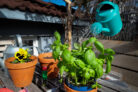
Before you grab the watering can, do the finger test. The soil should feel dry—sort of like dry sand—before you add more. Pro tip: Use lukewarm, filtered water (or let your tap water sit out) to avoid shocking the roots and preventing spots.
Watering the right way
When you water, aim for the soil, not the leaves! If water sits on the foliage and the sun hits it, it can actually act like a magnifying glass and burn the leaves, leaving behind those ugly brown spots.
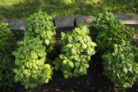
While basil usually loves being in a garden bed, it can struggle during cold, rainy summers. In those cases, your basil will actually be much happier (and more productive) staying in a pot on a balcony or inside.
Don’t forget to fertilize throughout the growing season. You can mix a slow-release fertilizer into the soil when planting , or just use an organic liquid fertilizer every two to three weeks to keep it fueled up.
Keeping pests away
The best defense against pests is a healthy plant in a breezy, bright, and warm spot. Thrips hate good airflow! If things get really bad, sometimes it’s best to start fresh with a new plant to keep the infestation from spreading. For a proactive approach, stick some yellow sticky traps in the pots—they attract and catch flying insects before they can do much damage.
Quick Tip: Basil can be a bit “slow” to react—meaning by the time you see the spots, the stress happened a few days ago. Consistency is your best friend here! Always look for the strongest, healthiest-looking plants at the store to give yourself a head start.