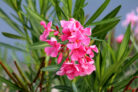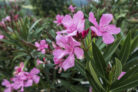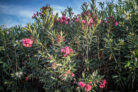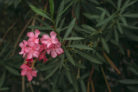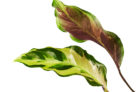
Oleander leaves are famous for that gorgeous, deep glossy green. When your plant is happy, those leaves practically shine! But if you start noticing brown spots or leaves turning completely brown, it’s a sign your oleander is feeling a bit stressed. Don’t worry, though—we’re going to break down why this happens and how you can fix it.
The Natural Look of Oleander Leaves
Healthy oleander leaves should be dark green and have a nice sheen to them. That vibrant green is your best indicator that your plant is thriving. If you start seeing a shift toward brown, it’s time to roll up your sleeves and give your plant a little extra TLC.
Common Culprits for Brown Leaves
There are a few different reasons your oleander might be losing its color. Most of the time, brown leaves can be traced back to:
- Not enough water
- Sunburn
- Over-fertilizing
- Disease or fungal infections
Thirsty Plants: Lack of Water
Oleanders are surprisingly heavy drinkers, especially during those scorching summer months. They need a consistent watering schedule to stay happy. But here’s a pro tip: don’t forget about them in the colder months! You should still water your oleander regularly during winter because the root ball should never be allowed to dry out completely. If it gets too thirsty, the plant will start to dry up, and those brown leaves are just its way of telling you it needs a drink.
Sunburn: Too Much, Too Fast
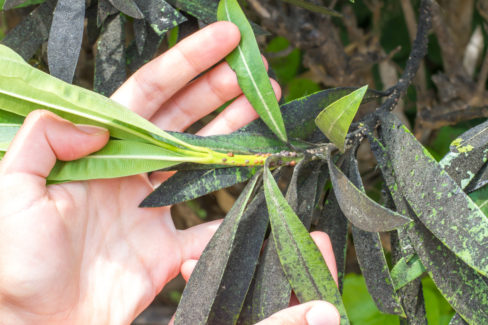
When you move your oleander back outside after wintering indoors, you have to be careful. After spending months in a protected spot, the leaves aren’t used to direct, intense sunlight. If you put them in full sun right away, they can actually get sunburned, which results in—you guessed it—brown leaves. Try to acclimate them slowly!
Brown Edges? You Might Be Overfeeding
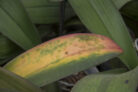
If you notice that only the edges of the leaves are turning brown rather than the whole leaf, you’re likely looking at over-fertilization. Be extra careful with chemical fertilizers and always stick to the dosage on the package. Too much fertilizer can cause much more serious damage to the plant than just crispy edges, so less is often more.
Post-Winter Browning and Fungal Issues
If your oleander looks brown right after coming out of winter storage, it might be dealing with a fungal infection. If you’ve been watering it correctly but the plant still looks like it’s drying out, it could be “dry rot” caused by the Ascochyta fungus. Keep a close eye on it so you can treat it before it spreads!