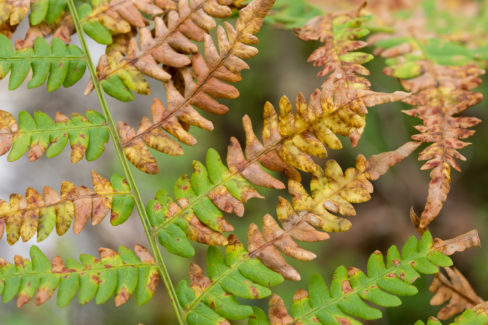
Ferns are fascinating plants that reproduce via spores rather than seeds, which means you won’t see them blooming with flowers. Instead, their beauty comes entirely from those lush, architectural fronds. That’s why it can be so frustrating when those vibrant green leaves start turning a crispy brown.
Brown leaves in the fall? Totally normal!
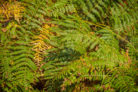
There are about 170 fern species across Europe, and many of them are deciduous. For these varieties, turning brown in the autumn is just part of their natural life cycle. If you notice your fern starting to bronze or brown in October, don’t panic—it’s just getting ready for its winter nap. If the dried-out fronds are an eyesore, feel free to trim them back once they’ve completely withered.
Too much sun
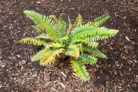
If your fern starts browning in the middle of summer, it’s usually a sign of a “sunburn.” Most ferns aren’t fans of direct, intense sunlight. If your fern is planted in a garden bed, you might want to consider transplanting it to a shadier spot. For potted ferns, simply move the container to a location with partial or full shade.
The nutrient balancing act
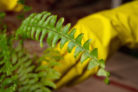
Sometimes, a change in leaf color is your fern’s way of saying it’s hungry. If you suspect a nutrient deficiency, try increasing your fertilizer, but stick to organic options. On the flip side, if you’ve been using mineral fertilizers, the brown tips might actually be a sign of over-fertilizing. When it comes to feeding ferns, a “less is more” approach with a steady hand is usually the way to go.
Thirst and humidity
Last but not least, browning is often a cry for help regarding hydration. Ferns are moisture-lovers, and if they dry out too much, they’ll show it pretty quickly. Luckily, this is an easy fix! To keep your fern thriving and green, keep these tips in mind:
- Water with lime-free water (rainwater is perfect!)
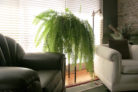
- Choose a location with high humidity
- Give the fronds a regular misting with a spray bottle