Basil probably got its start in India, but it’s been a staple in Southern European gardens for centuries. The good news? Our American summers are plenty warm enough to grow this fragrant herb right in your own backyard. Here’s everything you need to know to get started.
What Your Basil Plant Craves
Basil is a total sun-seeker and loves the heat. It’s happiest when temperatures hover around 70°F with plenty of light. That said, it’s not a huge fan of the scorching, direct midday sun, which can be a bit much. If you’re looking for the perfect garden buddy, plant your basil next to your tomatoes. They’re basically best friends—not only do they taste great together, but growing them side-by-side actually helps keep both plants healthier. When it comes to soil, basil is a bit picky. It thrives in high-quality, humus-rich soil that drains well.
Growing Basil on the Balcony
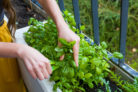
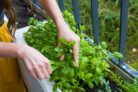
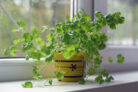
If you want your basil to flourish on your balcony or patio, you’re in luck—it’s totally doable! If you’ve just picked up a potted basil plant from the store, you’ll want to acclimate it to its new home slowly.
Most store-bought herbs come wrapped in plastic sleeves to protect them from the cold and travel damage. Don’t just rip that plastic off right away! Start by placing the plant (plastic and all) in a warm, shady spot. Every day, slide the plastic down a little further until the plant is completely free.
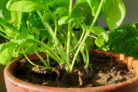
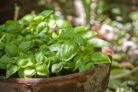
Once it’s out of the sleeve, set the pot on a saucer and gradually introduce it to more sunlight. For the best results, I highly recommend repotting it into fresh soil. Use a high-quality herb potting mix , mature compost, or loose garden soil. To keep the roots happy and ensure good drainage, try mixing in some expanded clay pebbles or coconut coir.
Basil in the Garden
If you have a greenhouse, your basil will think it’s at a spa—they love the warmth and high humidity. If you’re planting directly into a garden bed, keep an eye on your soil texture. If your backyard has heavy clay soil, you’ll need to lighten it up so the water can drain.
Give the earth a good loosening with a hoe, cultivator, or spade. Then, spread some sand or coconut coir over the area and work it in well. Just keep in mind: basil is definitely not winter-hardy, so enjoy it while the weather is warm!
Pro Tip: Basil hates getting its leaves wet. Always water your plants from the bottom, near the soil. If you’re having a particularly rainy summer, you might even want to provide a little overhead cover. Otherwise, you’ll start seeing those dreaded brown spots on the leaves.