Basil is hands-down one of the most popular herbs to have in the kitchen. While you can always grab a pot at the grocery store, there are so many amazing varieties and species out there that you’ll only find if you grow them yourself. The selection of seeds is way bigger than what you’ll find in the nursery aisle, so it’s definitely worth starting your own little herb garden from scratch!
The Best Time to Start Sowing
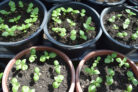
If you’re planning on planting directly outdoors, you’ll want to wait until mid-May. Basil seeds are a bit picky—they need a germination temperature of about 68°F (20°C), so the soil needs to be nice and warm before they’ll wake up. Personally, I think it’s much easier to start them indoors or in a greenhouse where it’s cozy. You can get a head start as early as April that way. If your seedlings end up growing a little too close together, don’t worry—you can just prick them out and give them their own space later.
Step-by-Step Guide
- Grab some high-quality seed-starting mix or a loose, nutrient-rich vegetable soil.
- Fill a 4 to 6-inch pot with the soil and give it a light tap to settle it.
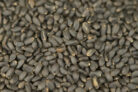
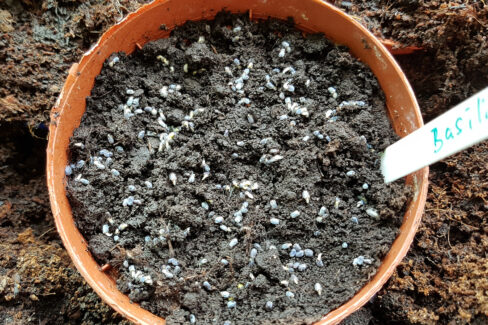
- Spread your seeds evenly across the surface.
- Here’s the trick: Basil is a light-germinator . This means the seeds need light to sprout! Don’t bury them; just press them gently into the soil or sift a very thin layer of fine sand over the top.
- Give them a gentle drink. I highly recommend using a spray bottle so you don’t wash the tiny seeds away.
- Stretch some clear plastic wrap over the pot to keep the moisture in so the soil doesn’t dry out.
- Place your pot in a bright spot, but avoid harsh, direct sun right away. Keep the room around 68°F, or those seeds might just stay dormant.
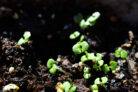
- Be patient! It can take up to 14 days to see that first pop of green sprout . If they look crowded once they’re up, you can transplant them into individual pots.
Keeping Your Basil Happy
I’ll be honest: Basil can be a little high-maintenance. This heat-loving herb is happiest at around 70°F. If the temperature drops below 54°F (12°C), the plant will basically stop growing. Cold weather weakens the plant, making it a magnet for pests and diseases.
Light is also a big deal. If it’s too dark, the leaves will drop and the stems will get “leggy” as they stretch for light. That said, it actually handles the midday sun pretty well. Pro tip: Basil loves hanging out near tomato plants! The tomatoes provide a little dappled shade, and since they both love the heat, they make the perfect garden buddies.
Watch out for the wind, too. Basil hates a draft, especially a cold one. Too much wind can lead to a smaller harvest or even yellow, wilted leaves. Find a nice, sheltered spot for your pots.
When it comes to watering , consistency is key. Basil is thirstier than many other Mediterranean herbs. Always check the soil moisture first—you want it damp, but never soggy. Standing water is just as bad as a total drought; both will stress your plant out.
Cool Varieties to Try
- Purple Basil: Varieties like ‘Rothaut’, ‘Rubin’, and ‘Moulin Rouge’ are stunning. They have a slightly firmer leaf and a bolder, more savory flavor.
- Fragrant Varieties: If you want to get fancy, try Lemon, Cinnamon, or Anise basil. They smell incredible and are perfect for exotic dishes or even summer cocktails.
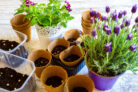
Quick Tip: Try sowing your seeds directly into peat pots or DIY newspaper pots. When it’s time to move them, you can plant the whole thing directly into the ground without disturbing the roots!