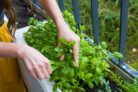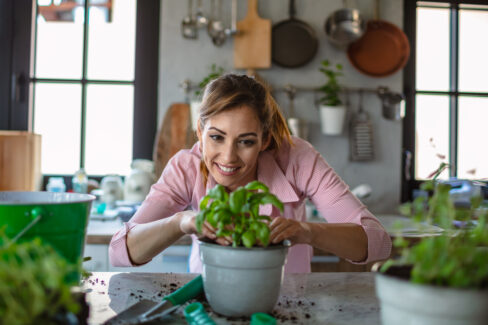
Basil comes in so many amazing varieties! If you want to experience the full range of flavors this aromatic herb has to offer, your best bet is to start it from seed and grow it yourself in pots or right in your garden bed. Here is everything you need to know to get started.
Fun Facts About Basil
Basil is generally a short-lived plant. Most gardeners treat it as an annual because overwintering usually isn’t worth the hassle. Winter conditions in our neck of the woods just aren’t ideal—the lack of light makes the plant weak, leaving it prone to diseases and pests .
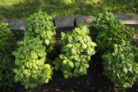
You’ll notice basil has square, slightly woody stems. It grows upright, and if you harvest it correctly, it will reward you with a bushy, well-branched shape. While you can find basil in pots at the grocery store year-round, the outdoor gardening season doesn’t start until the last night frosts are long gone and both the air and soil temperatures hit at least 55°F (12°C).
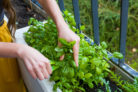
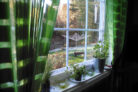
If you have a greenhouse or a sunny kitchen windowsill, you can get a head start! The warmer temps and controlled environment provide the perfect jumpstart for your herbs.
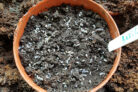
One thing that sets basil apart from many other Mediterranean herbs is that it’s a “heavy feeder.” While rosemary or thyme thrive in poor soil, basil loves its nutrients and needs regular fertilizing. Also, keep in mind that basil is a light-germinator . If you decide to sow your own seeds, don’t bury them—they need light to sprout!
The Plants
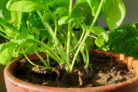
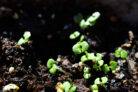
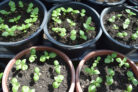
If you want basil in your garden, you can either start it from seed indoors or buy a pre-grown pot. Indoor seed starting can begin as early as April. Use a high-quality seed-starting mix for those tiny seeds. If they come up too thick, you’ll need to prick them out (thin them) once the seed leaves or the first true leaves appear.
If you bought a pot from the store, remember that those plants need to acclimate to their new home. Don’t rip the plastic sleeve off immediately! Instead, slide it down a little bit each day until the plant is standing free. On warm days, you can give the pot some “fresh air time” outside, but keep it out of direct, scorching sunlight at first, or the tender leaves will get sunburned.
Planting
Once your plants are hardened off and the nights are consistently above 55°F, it’s time to move them to the garden or greenhouse. Anything colder can stunt the plant or invite pests.
Here’s a quick step-by-step for planting:
- Dig a hole in your garden bed large enough for the root ball and mix in a little compost.
- Give your basil a good drink before transplanting. The best way is to dunk the whole pot in a container of lukewarm water.
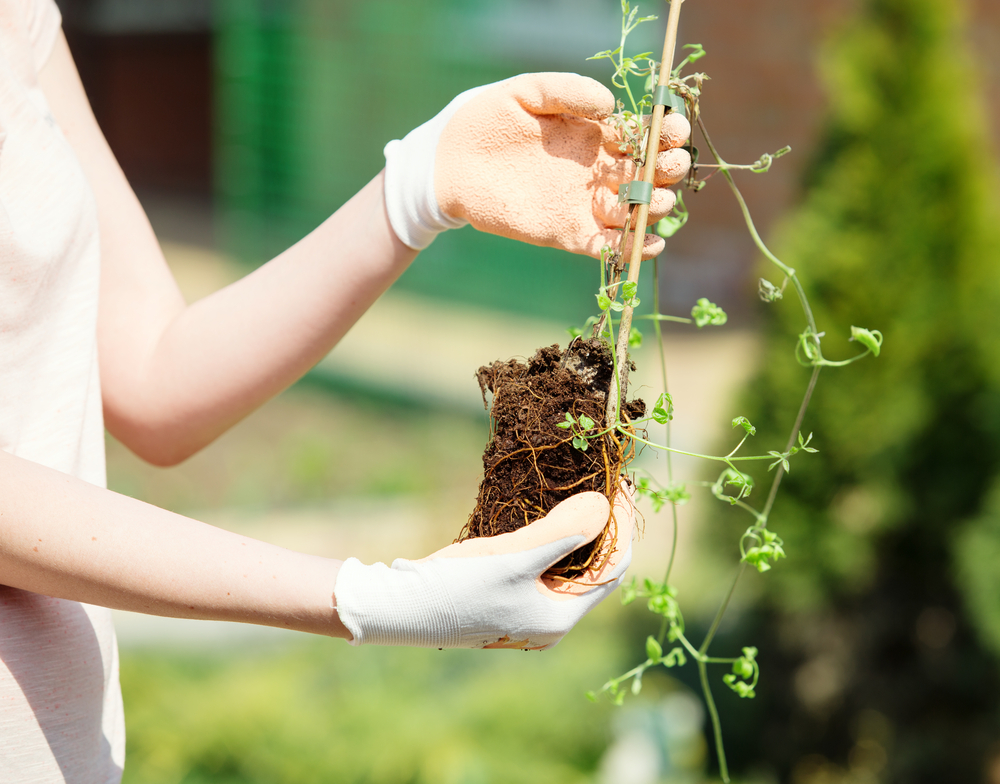
- Remove the plant from the pot by placing your hand over the soil with the stems between your fingers, turning it upside down, and tapping the bottom.
- Place it in the hole at the same depth it was in the pot. Don’t bury the stems in the soil!
- Fill the hole back in with soil and press down gently to firm it up.
- Water it in with lukewarm water, trying your best to keep the leaves dry.
Good Neighbors for Basil
Some plants just get along better than others! Basil and tomatoes are a classic “companion planting” match. Tomatoes provide a bit of welcome shade, and both love warm, dry conditions.
Basil also does well near cucumbers, as it’s thought to improve cucumber health. Just keep in mind that cucumbers love high humidity, which isn’t always basil’s favorite, but it’s definitely a combo worth trying in your garden.
A Few Varieties to Try
- Greek Basil ‘Minimum Corfu’: A compact grower that isn’t prone to flowering early. It’s perfect for training into a cute little basil tree .
- Mammoth: Just like the name suggests, this one has huge leaves and grows vigorously. Surprisingly, this variety can handle a tiny bit of frost and is a good candidate for overwintering .
- Wild Magic (Wildes Purpur): This one has a beautiful shrub-like growth habit and stunning purple leaves—it’s an ornament for any garden!
- African Blue: This is a real showstopper that can grow up to 2 feet tall with red-veined leaves. It’s very hardy and can be grown as a perennial in the right conditions.
Quick Tip: Unfortunately, slugs and snails love basil as much as we do! You can use organic slug pellets, or try recycled coffee grounds. Spread dried grounds around the base of the plant—it acts as a barrier and adds a little extra nitrogen to the soil as it breaks down.