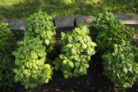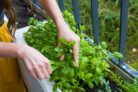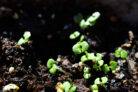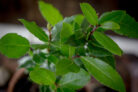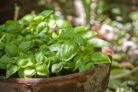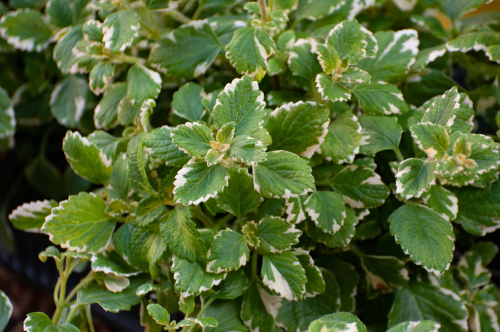
Basil is a total staple in American kitchens, and let’s be honest—nothing beats the taste of fresh-picked leaves. If you want a constant supply for your pizzas and pastas, growing it right on your balcony is the way to go. Here’s everything you need to know to get started.
Choosing Your Plants
We’ve all seen those lush basil pots at the grocery store. While buying one is the fastest way to get a harvest, it’s actually a bit of a gamble. Those plants are usually pampered in greenhouses, so when they hit the breezy, cooler air of a balcony, they often go into shock, leading to wilting or yellowing leaves . If you want a hardier plant, try starting yours from seed. It takes a little longer, but the plants are usually much tougher and more successful in the long run.
Getting Them in the Ground (or Pot!)
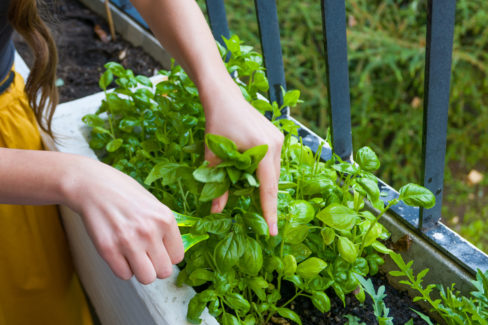
If you’re a pesto fanatic, go ahead and fill a whole window box! Otherwise, a standard pot provides plenty of leaves for everyday cooking. The great thing about basil is that you can keep planting it all summer long.
Start with a high-quality potting mix or herb soil. Basil is a “heavy feeder,” meaning it loves nutrients, so look for a mix that already contains some fertilizer. You can also mix in some organic slow-release fertilizer, like horn meal, right at the start. If you have access to finished compost, that’s even better—it’s so nutrient-rich you won’t need to fertilize for a while.
If you are using a different type of soil , just make sure it’s rich in organic matter (humus) and drains well. You can improve the drainage by mixing in some coconut coir or a bit of sand.
When you’re ready to transplant your seedlings or cuttings , here’s a pro tip: plant them slightly deeper in the soil than they were in their starter trays. This helps them develop a stronger root system.
The Perfect Spot
Basil is a sun-worshipper and loves the heat. It really starts to thrive once temperatures stay above 60°F (15°C).
When it comes to watering, consistency is key. If the soil gets bone-dry, the leaves will droop; but if it’s soggy, you’ll run into the same problem. Aim for “evenly moist.” To keep those leaves lush and green, give them some liquid fertilizer every two to three weeks.
Try to find a spot that isn’t too windy. Also, while basil loves light, that scorching midday summer sun can actually burn the delicate leaves, so a little dappled shade during the hottest part of the day is a good idea.
When to Plant
Basil is definitely not a fan of the cold. Anything below 55°F (12°C) can stress the plant out. In most areas, it’s best to wait until after the last frost of spring to move your pots outside permanently. If you get a warm spell in April and want to give them some sun, just remember to bring them back inside for the night!
Quick Tip: If your basil is growing like crazy and you can’t keep up, it’s time to make some homemade pesto! Don’t be afraid to give the plant a “haircut”—cutting it back to about 4 inches (10 cm) high actually encourages it to grow back even bushier.