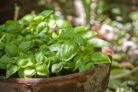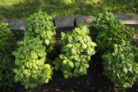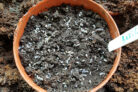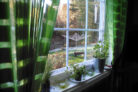
Nothing beats the taste of freshly picked basil! If you want a never-ending supply of this delicious herb, growing it yourself in your kitchen or on your balcony is definitely the way to go. But to get those lush, aromatic leaves, you’ve got to start with the right foundation: the soil. Here is everything you need to know to get it right.
What Basil Craves
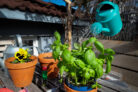
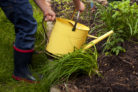
Basil plants are a bit picky—they love soil that is rich in humus, well-draining, and packed with nutrients. Ideally, you’re looking for a pH value between 6.5 and 7.2. Beyond the soil, finding the perfect spot is key. These delicate plants need plenty of light and protection from the wind, but be careful not to let them bake in harsh, direct midday sun. To keep your basil happy, aim for consistent moisture by watering regularly . Just be sure to do the “finger test” first to see how much moisture is actually left in the soil before adding more.
Choosing the Best Soil
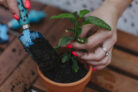
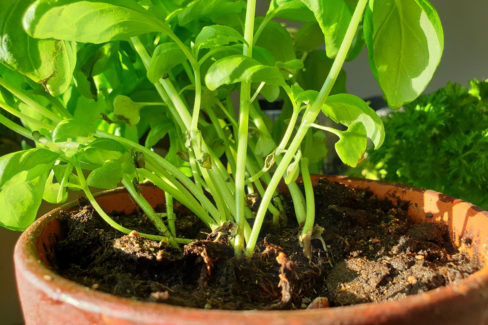
A high-quality organic herb potting mix is usually a great starting point because it’s nice and airy. However, these mixes sometimes lack enough “oomph” (nutrients) to keep basil going long-term. To fix this, you can mix in some slow-release organic fertilizer, like horn meal, right when you’re planting .
If you’re planning to use regular garden soil, check its texture first. If your soil is heavy and clay-like, mix in some sand, coconut coir, or expanded clay pebbles to help it breathe. Here’s a quick pro-tip: squeeze a handful of soil tightly. If it stays in a hard clump, it’s too heavy and won’t drain well.
Whenever possible, try to avoid peat-based soils. While they work well for herbs, they aren’t great for the environment. Instead, look for high-quality organic compost-based soils. You can actually tell a lot about soil quality just by smelling it! If it smells like bark mulch, it’s likely low quality. Good, nutrient-rich soil should have that wonderful, earthy scent of a fresh forest floor.
Feeding Your Basil
Even with great soil, basil is a “heavy feeder,” meaning it uses up nutrients fast—usually within six to eight weeks. After that, you’ll need to start fertilizing . A liquid herb fertilizer or a general-purpose organic fertilizer works wonders; just follow the dosage on the bottle.
If you want to be a bit more hands-off, mix some horn meal or well-rotted manure into the soil at the start. If you do this, you usually won’t need to fertilize again later in the season.
Quick Tip: If you have a compost pile, use it! Finished compost is the ultimate basil soil—it’s airy, full of organic matter, and loaded with nutrients. Your basil will absolutely love it.