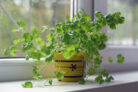
There’s so much to say about basil! It’s easily one of the most popular herbs in the garden, so I’ve put together a quick cheat sheet with everything you need to know to grow it like a pro.
- Common Name: Basil
- Botanical Name: *Ocimum basilicum*
- Also Known As: Sweet basil, Saint Joseph’s Wort, King of Herbs
- Plant Type & Size: Member of the mint family, annual, typically grows 18–24 inches tall
- Origin: Asia, likely Northern India
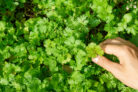
- Leaves: Oval-shaped, 0.5–2 inches long; colors range from bright green to deep purple
- Flowers: White, pink, or light purple; blooms from June through September
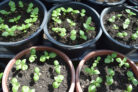
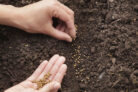
- Sowing Time: Start seeds indoors in March or April for transplanting outside later. You can grow it indoors year-round! Pro tip: Basil seeds need light to germinate, so don’t bury them too deep.
- Outdoor Planting: Move them outside after mid-May once the threat of frost has totally passed.
- Soil: Well-draining, rich in nutrients, and full of organic matter (compost is your friend!).
- Temperature: Prefers 55–75°F; 70°F is the “sweet spot.”
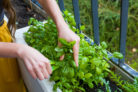
- Harvesting: You can harvest potted basil year-round. For outdoor plants, harvest from late May until the first frost.
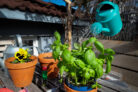
- Watering: Water regularly, but don’t let it get soggy—basil hates “wet feet” and is prone to root rot.
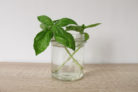
- Propagation: Usually grown from seeds , but you can also easily grow new plants from cuttings in water.
- Key Components: Essential oils, camphor, linalool, tannins, and glycosides.
- Benefits: Known to help with appetite, digestion, coughs, nerves, sleep, and even detoxing.
- Varieties: There are so many! Try ‘Red Rubin,’ ‘Moulin Rouge,’ Lemon Basil, Anise Basil, and more.
Since there are so many varieties out there, I really recommend experimenting with a few different types. They don’t just look different; the flavor profiles can range from citrusy to spicy!
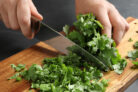
Basil is a flavor powerhouse that can actually help you cut back on salt. It’s amazing in salads, soups, cheese dishes, and even heavier, fatty meals. Just a quick tip: try not to cook the basil *with* the food. Add it right at the end to keep that fresh aroma and flavor intact.
Basil for Your Health
As I mentioned in the stats above, basil isn’t just for pesto—it’s great for your well-being too. You can whip up basil wine, vinegar, or a simple tea to reap the benefits.
Here are a few of my favorite “garden remedies”:
Basil Wine (for congestion)***
Place two whole basil stems into a quart of white wine. Seal the bottle and let it sit for three days. Strain it, rebottle it, and store it in a dark place. Enjoy a small glass before or after meals.
Basil Tea (for digestion and sleep)***
Place one teaspoon of fresh basil in a mug and pour boiling water over it. Let it steep for ten minutes. It’s delicious with a little bit of honey!
Basil Vinegar (perfect for dressings)***
Simply stick a sprig of fresh basil into a bottle of high-quality apple cider vinegar. It’ll be ready to use in about a week. If the flavor gets too strong for your liking, just pull the sprig out.
Quick Tip: If you get an itchy bug bite while gardening, crush up a few basil leaves (use a mortar and pestle or just rub them between your fingers) and apply the pulp directly to the bite. It works wonders for the sting!