When it comes to basil, there’s a whole world beyond that standard grocery store pot! If you really want to see the incredible variety this herb has to offer, starting from seed is the way to go. You can curate your own custom collection of flavors and scents right on your windowsill or in your garden. Here’s everything you need to know to get started.
The Seeds
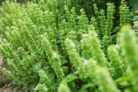
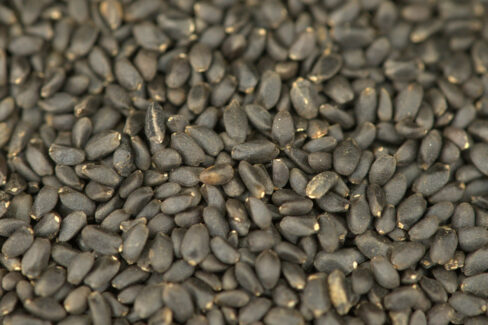
Basil seeds are tiny, black, and usually only about 1-2mm in size with a round or oval shape. These little powerhouses develop from the plant’s small flowers. Depending on the variety, basil flowers can range from pure white to pink or even deep violet. If you buy “heirloom” or open-pollinated seeds, you can actually harvest the seeds yourself after the plant blooms and use them to grow your next generation of basil plants!
If you want your plant to go to seed, it’s a good idea to move it outdoors . You’ll find way more pollinators outside to help the process along. Once the flower petals have completely dried out, you’re ready for the seed harvest . Just pluck the dried flower heads, rub them between your palms to loosen the seeds, and run them through a coarse sieve to separate the chaff. Make sure the seeds are bone-dry before sealing them in dark glass jars; otherwise, you might end up with mold.
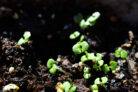
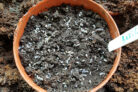
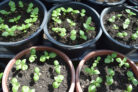
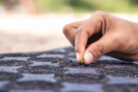
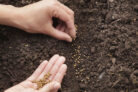
When you’re ready for planting , keep in mind that basil is a light-germinator . This means the seeds need light to wake up! Don’t bury them deep in the dirt. At most, cover them with a tiny dusting of soil or sand—no thicker than the seed itself (about 1-2 mm). If they’re buried too deep, they simply won’t sprout.
A Few Favorite Varieties
- African Blue Basil: This hardy variety originally hails from the slopes of Mount Kilimanjaro. It features large leaves with beautiful purple veins and has a tendency to grow woody over time. It absolutely loves a sunny spot that’s protected from heavy rain.
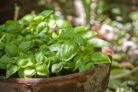
- Genovese: This is the absolute classic. It’s the one you see most often in stores, known for those iconic, lush green leaves. It has a wonderful, intense aroma with hints of anise and camphor—perfect for pesto!
- Anise Basil: As the name suggests, this variety has a distinct licorice scent. It sports smooth green leaves on reddish stems. Its unique flavor makes it a fantastic addition to desserts, Asian cuisine, or even a fresh summer salad.
Basil Seeds as a Superfood
Did you know basil seeds are edible? They’re packed with protein, healthy fats, minerals, vitamins, and fiber, making them a nutritional powerhouse. They act a lot like chia seeds!
Here’s a quick recipe for a healthy basil seed smoothie:
- Soak one tablespoon of basil seeds in 10 tablespoons of cold water for about 10 minutes until they swell up.
- In a blender, combine 100 ml (about 1/2 cup) of your choice of milk—oat, soy, or dairy all work great.
- Add a tablespoon of yogurt and your favorite fruit (bananas, pineapple, or berries are awesome here).
- Add your soaked basil seeds and sweeten with honey to taste. Blend until it’s exactly how you like it.
- Serve chilled and enjoy!
Pro Tip: These soaked seeds are also a great addition to your morning oatmeal or yogurt bowl. Whether you’re growing them to plant or growing them to eat, letting your basil plants go to seed is a win-win!