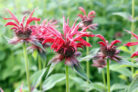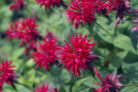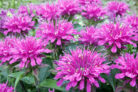
If you’re growing Bee Balm (also known as Monarda) in your garden, you’ve got a real powerhouse on your hands. While those scarlet blooms are a total showstopper, this plant is way more than just a pretty face. Bee Balm is actually edible and has a long history as a medicinal herb.
Add Some Show-Stopping Color to Your Garden
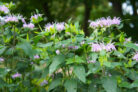
Bee Balm—sometimes called Oswego Tea or Bergamot—is an incredibly versatile and low-maintenance perennial. It can reach up to four feet tall and comes in gorgeous shades of red, pink, purple, or white. It looks absolutely stunning in naturalistic cottage gardens or as a focal point in a prairie-style bed. If you’re looking for some good garden “roommates” for your Bee Balm, it pairs beautifully with:
- Bellflowers
- Irises
- Coneflowers (Echinacea)
- Bugbane (Cimicifuga)
- Purple Loosestrife
- Ornamental grasses
- Astilbe
Using Bee Balm as a Healing Herb
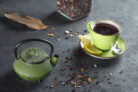
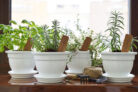
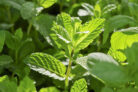
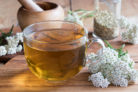
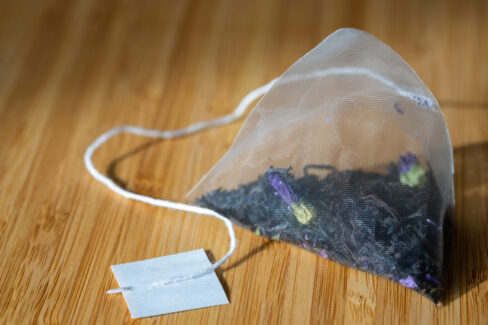
When it comes to natural remedies, both the flowers and the leaves are fair game. Bee Balm contains compounds similar to thyme, which is why it’s a go-to for fighting off colds. It’s great for soothing the respiratory tract and throat, but it doesn’t stop there—it can also help take the edge off headaches, anxiety, and restless nights. The best way to enjoy its benefits is to brew a cozy tea using the dried leaves and blossoms.
Get Creative in the Kitchen
If you’re a foodie, you’ll love using Bee Balm leaves as a savory herb. They add a unique, spicy kick to soups, casseroles, and stews. Fresh or dried leaves also pair surprisingly well with roasted meats. You can harvest the plant anytime from June through October, and if you dry the leaves, you’ll have that homegrown flavor ready to go all winter long.
Brighten Your Home with Potpourri
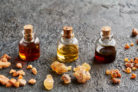
One of the coolest things about Bee Balm is how well the flowers hold their color even after they’ve dried. Plus, they keep that lovely, citrusy scent for a long time. This makes them a perfect choice for homemade potpourri. For the best results, pick the more mature flowers—they tend to hold onto their fragrance and vibrant hue the longest.