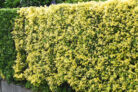
When it comes to pruning yews, timing is everything. I get asked all the time: “When is the best time to give my tree a haircut?” Luckily, the yew is one of the most forgiving evergreens out there. Here’s the lowdown on when to grab your saw and get to work.
The Best Time to Prune
The great thing about yews is that you aren’t stuck with just one specific month for pruning. You can actually trim them pretty much year-round. However, I’d recommend avoiding days with extreme heat. High temps can cause the tree to lose too much moisture through its “wounds,” and those freshly cut needles can turn brown in the sun. It won’t kill the tree, but it definitely isn’t the look most gardeners are going for!
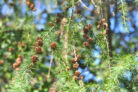
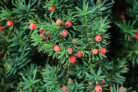
If you’re a fan of the flowers and berries, try to prune your yew before the new growth starts in the spring. If you wait too long, you’ll snip off the buds and miss out on that seasonal color. On the flip side, if you’d rather *not* have those red berries—maybe to keep kids from accidentally eating the toxic seeds—you can strategically prune to prevent them from forming in the first place.
Safety First During Pruning
Here’s the important part: almost every part of a yew tree contains taxine. The only part that isn’t toxic is the red flesh of the berry, but the seeds inside are very dangerous if swallowed. While a heavy pruning isn’t inherently dangerous to do yourself, you definitely want to take a few precautions.
Here’s your safety checklist:
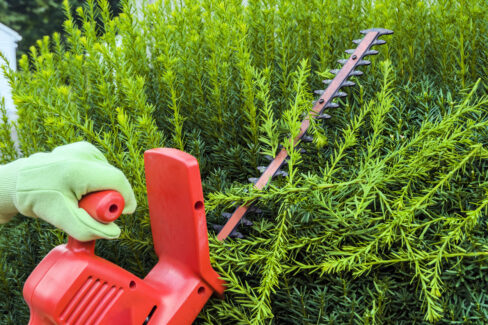
- Wear sturdy gardening gloves
- Use a sharp saw or shears
- Wear long sleeves and pants
Yew sap can cause skin irritation or allergic reactions for some people, so keeping your skin covered is a smart move. Once you’re finished, you can dispose of the clippings in a closed bin, burn them, or even compost them properly.