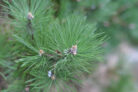
Pruning a yew tree is rarely a cause for concern. These hardy evergreens can handle a haircut almost any time of year, and they don’t mind if you take off quite a bit of wood. Here’s everything you need to know to get the job done right.
Why Yews are Pruning Champs
The yew is an incredibly resilient tree that bounces back even after a heavy pruning. Honestly, it’s pretty hard to mess this up! However, a quick tip: try to avoid pruning on scorching hot days. If you cut during a heatwave, the needles near the cuts might turn brown. It won’t hurt the tree’s health, but it’s definitely not the look most gardeners are going for.
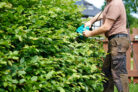
Because they handle the shears so well, you have a ton of creative freedom. You can let them grow in their natural, rugged form, or get fancy and shape them into spheres, pyramids, or clean-cut squares. This versatility is exactly why they make such fantastic hedges.
When to Go for a Hard Prune
Sometimes, a light trim isn’t enough. You might need to do a “rejuvenation prune” if your tree is dealing with fungal issues or a pest infestation. Even if your yew has dried out, don’t give up on it—just cut it back to the healthy wood. Before long, you’ll see new growth sprouting from the healthy sections.
Here’s your game plan for a heavy prune:
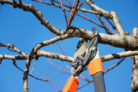
- Grab a sharp saw or high-quality loppers.
- Make sure to thoroughly disinfect your tools first.
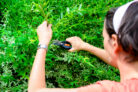
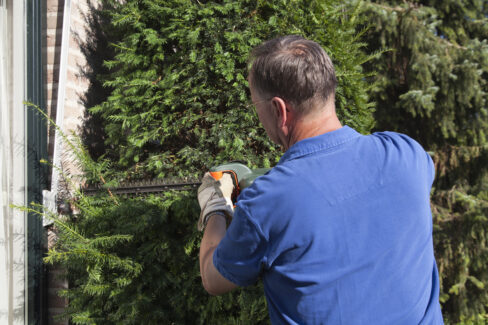
- Put on work gloves and long sleeves (safety first!).
- Cut the yew back to your desired size and shape.
Keep in mind that yews don’t *technically* need to be pruned at all. Left to their own devices, they usually grow into a beautiful, healthy shape on their own. If you do decide to prune, remember that yews contain taxine, which is present in the sap. It can cause skin irritation or allergic reactions, so definitely keep that skin covered! As for the leftovers, you can safely compost your yew clippings. The bacteria in your compost pile will break down the taxine over time.