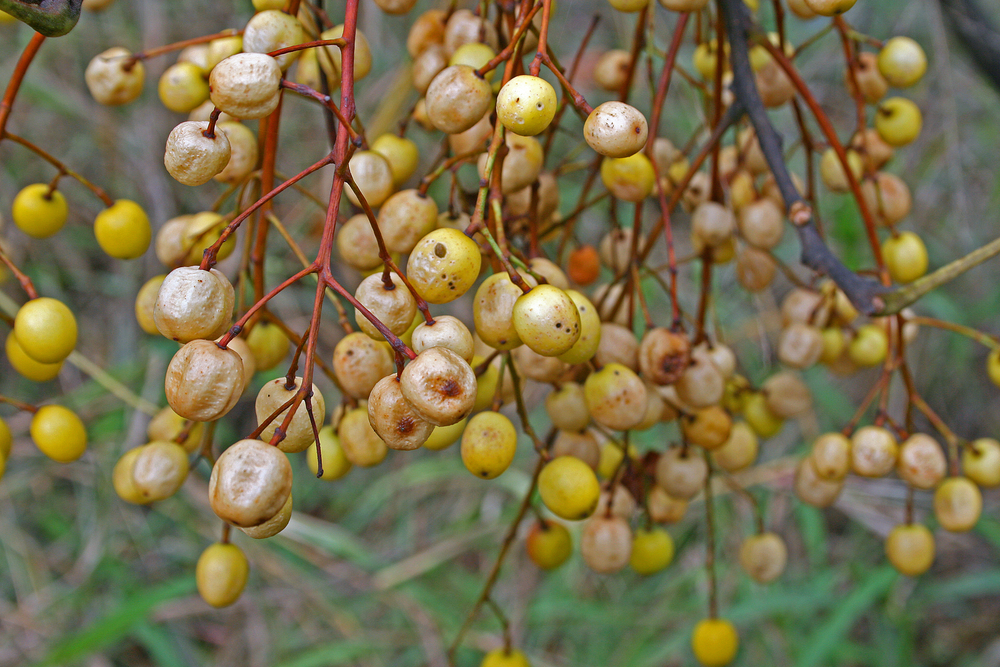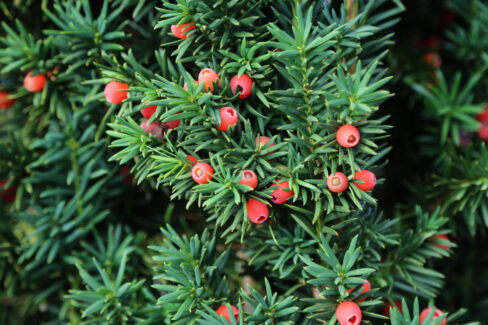
There’s a reason yews have a bit of a reputation—they are definitely among the more toxic trees out there. Almost every part of a yew contains taxine, a substance that can cause serious poisoning if ingested, even in small amounts. But don’t let that scare you off! As long as you take a few simple precautions, pruning your yew is perfectly safe and easy.
What’s the actual risk with yews?
The taxine found in yews is only dangerous if it’s swallowed. So, as long as you aren’t planning on snacking on the needles, seeds, or wood, you’re generally in the clear. However, the sap from fresh wood can sometimes cause allergic reactions or skin irritation on contact. To stay on the safe side, it’s best to gear up before you start clipping. Here’s how to handle your yew safely.
How to protect yourself from the sap
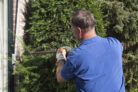
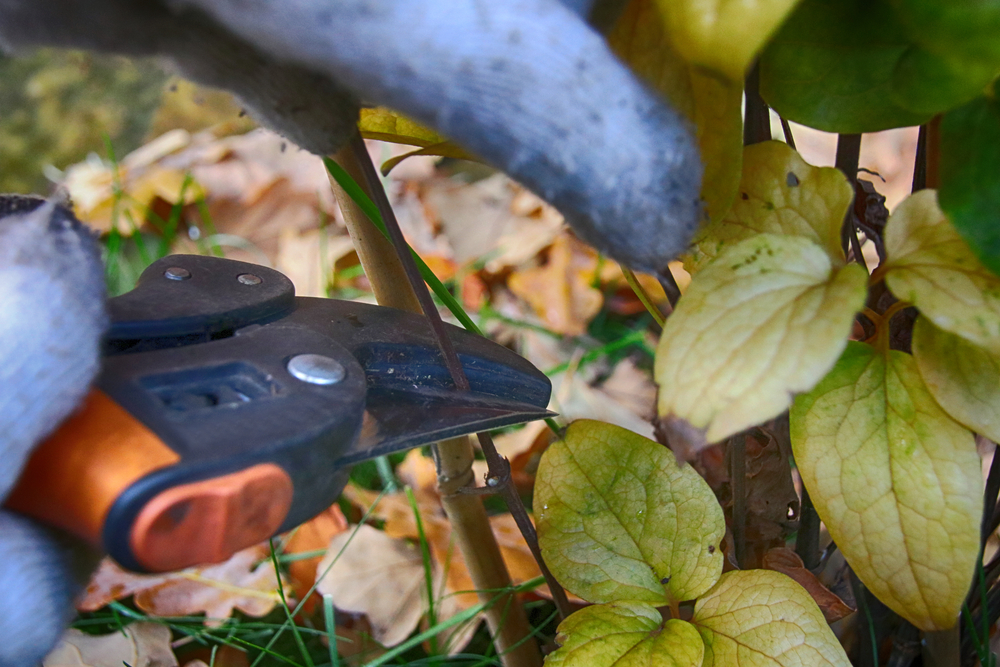
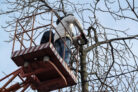
To keep that sap off your skin, you’ll want to wear a good pair of gloves and some safety glasses. If you have sensitive skin, try to keep your face protected so falling needles don’t poke or irritate you.
Here is your essential safety checklist:
- Sturdy gloves
- Long-sleeved shirt and pants
- Safety glasses
Disposing of your trimmings
Once you’re done pruning, don’t just leave the clippings lying around the yard. You don’t want curious kids or pets getting into them. You can either burn the wood or store it somewhere covered and out of reach. Another great option is to compost your yew trimmings. Just make sure to cover the pile so the clippings aren’t sitting right on top.
As the trimmings rot, bacteria naturally break down the taxine. Once everything has turned into finished humus, it’s perfectly safe to use as fertilizer—even in your vegetable garden! You won’t have to worry about any toxic residue lingering in your soil.
When is the best time to prune?
Technically, you can prune a yew just about any time of year. Unlike some other hedges, there aren’t usually strict legal windows you have to worry about. While yews don’t *have* to be trimmed to survive, a good haircut encourages fresh growth and thicker branching. If you want a lush, dense evergreen look, regular pruning is the way to go.
There is one exception, though: avoid pruning on scorching hot summer days. Cutting back a yew in extreme heat can cause the plant to dry out faster, which often leads to those needles turning an unsightly brown. It won’t kill the tree, but it definitely won’t be winning any “Best in Neighborhood” awards for a while!