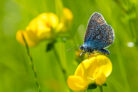
Bird’s-foot trefoil is more than just a splash of sunny yellow in the grass. With its sugary nectar, it’s a magnet for beautiful butterflies, but it actually offers a lot more than just good looks. Because it stays in bloom for so long, it’s the perfect candidate to get to know a little better—and maybe even taste!
A Five-Month Flower Show!
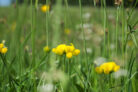
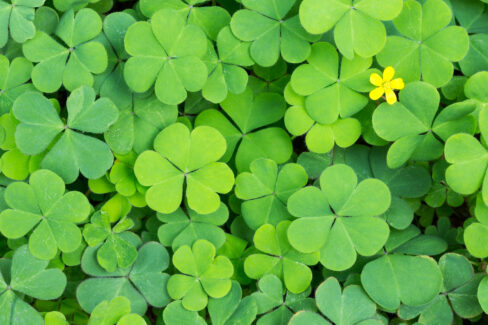
Bird’s-foot trefoil starts showing off in May and keeps the party going all summer long, finally waving goodbye with its last blossoms in September. Reaching heights of up to 12 inches, this clover variety stands a bit taller than many other meadow herbs. Between its height and those brilliant yellow petals, it’s hard to miss. Occasionally, you’ll spot bird’s-foot trefoil in your lawn. For some homeowners, that’s when the “pretty flower” charm wears off; because it spreads so enthusiastically, many people treat it as a weed to be cleared out.
How to Identify the Flowers
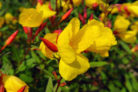
We’ve already mentioned that signature yellow, but bird’s-foot trefoil also has that classic “pea-like” shape typical of the legume family. Here’s what to look for:
- Flower clusters grow from the leaf axils.
- Three to seven flowers form a semi-circular cluster (an umbel).
- Individual flowers are about 1/2 inch long with five petals.
- The flower sits in a small green cup (calyx).
- Classic “butterfly” shape: a large upright petal (the banner), two side wings, and a bottom “keel.”
- The buds often have a cool orange or reddish tint.
Yes, They’re Edible!
Good news: those nectar-rich flowers are edible for humans, too! You can also eat the young, tender leaves. Just a heads-up, though—you’ll want to use them sparingly because they have a very intense flavor. The flowers are mostly used as a gorgeous garnish for desserts. They are so packed with sweet nectar that they attract swarms of bees and butterflies looking for a snack (in exchange for pollination services, of course!).
Harvesting and Drying
Bird’s-foot trefoil contains flavonoids, which are known for their calming and antispasmodic properties. In traditional herbal medicine, it’s often used to help with nervous tension or sleep issues. You can gather the yellow flowers throughout the blooming season and brew them into a fresh tea right away. Just use about one teaspoon of crushed flowers per cup and let it steep for ten minutes. Since the “flowerless” season lasts seven months, it’s a great idea to dry some for later use.
Pro Tip:
Want to learn more about this useful wild herb? Check out our Bird’s-foot Trefoil Profile for all the details.