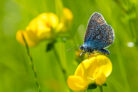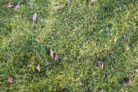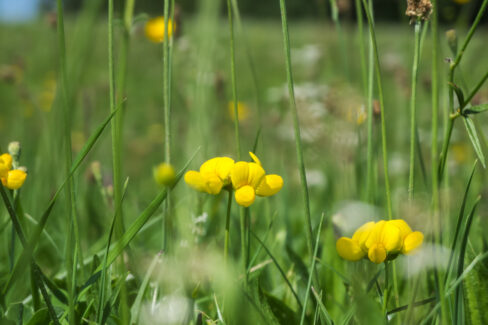
Depending on how much of a “green carpet” purist you are, even a single sprig of Bird’s-foot Trefoil can feel like an uninvited guest. With its bright yellow summer blooms, it’s impossible to miss. Even if you appreciate its sunny look, you’ll eventually find yourself battling its urge to take over the entire yard. But if you’re going to tackle it, you’ve got to do it right!
Getting Hands-on: Digging Out Bird’s-foot Trefoil
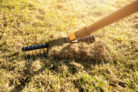
Compared to other types of clover, Bird’s-foot Trefoil is incredibly stubborn. Many gardeners try dethatching or power raking, but that won’t do much against this “weed.” The problem is that its roots run deep, and those machines just don’t reach them. If the roots stay in the ground, new plants will pop back up in no time. You really have to dig it out thoroughly—ideally before its blooming period ends and it starts dropping seeds. To keep your grass healthy, doing this by hand is the best way to minimize collateral damage.
- Make sure to remove all parts of the plant from the lawn.
- Use a garden fork to lift the roots.
- Alternatively, use a dedicated weeding tool for precision.
- Keep an eye on the area and check back regularly for regrowth.
Quick Tip:
Those bare spots left behind are like an open invitation for new weeds. Cover them up immediately with fresh soil and some grass seed to keep the lawn thick and healthy.
Should You Use Herbicide?
Most of us try to avoid chemicals whenever there’s an eco-friendly alternative. However, if your lawn is absolutely carpeted in Bird’s-foot Trefoil, the sheer amount of manual labor can make anyone reach for a bottle of weed killer. Just keep in mind that many products can be tough on your grass, too, and you might end up needing to reseed anyway. If you go this route, pick a dry day so the product doesn’t wash away before it can work. Also, don’t mow right before applying; more leaf surface area means the treatment works more effectively.
If you aren’t in a huge rush and were planning on reseeding the lawn anyway, try using weed-blocking plastic or “blackout” fabric. It works by starving the plants of the sunlight they need to survive—no chemicals required!
Addressing the Root Cause
If Bird’s-foot Trefoil is thriving in your yard, it’s usually a sign that your soil is missing something—specifically nitrogen. Simply removing the weed isn’t enough; you need to fix the soil chemistry by adding a high-quality fertilizer. Making this a yearly habit is the best way to prevent the clover from making a comeback.
Quick Tip:
Want to learn more? Check out our Bird’s-foot Trefoil profile. Believe it or not, it’s not just a lawn nuisance—it’s actually edible and has a history as a medicinal herb!