If you want your blueberries to thrive and give you a massive harvest, you’ve got to start with the right soil. While we often think of them as a backyard version of the wild berries you find in the woods, they’re actually a bit different. Because of that, their “dream home” in the dirt looks a little different, too.
Don’t Get Them Mixed Up!
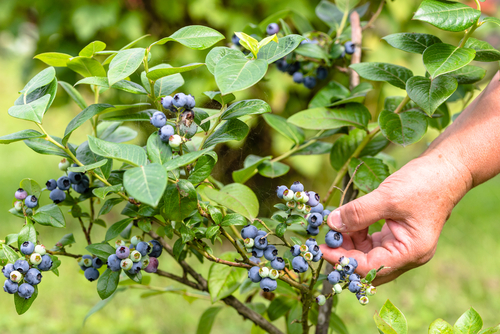
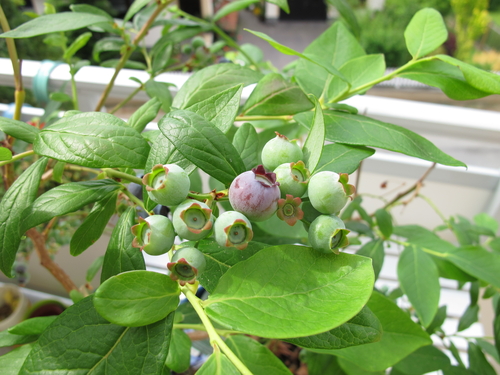
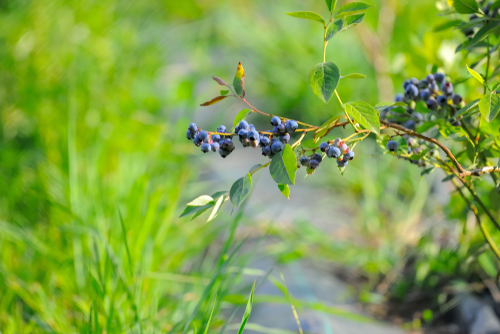
It’s a common mistake, but wild blueberries and the “cultivated” blueberries we grow in gardens aren’t actually close relatives. You can tell just by looking at them! Wild berries are tiny and have that signature deep blue flesh that stains your hands, tongue, and teeth. The cultivated blueberries we love (the ones originally native to North America) are much larger, and only the skin is blue—the inside is actually pale and light.
While our native wild berries love boggy forest clearings, both types do share one big preference: they need acidic, well-draining soil that is completely lime-free. Blueberries absolutely hate lime; it’s like poison to them and will cause serious damage over time.
Prepping Your Garden Soil for Success
In many areas, the natural soil is heavy in clay and lime. Finding naturally acidic, peaty soil in a standard backyard is pretty rare. This means you’ll need to do some prep work before you start planting.
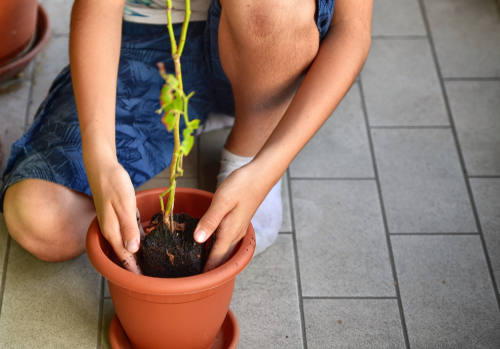
Because blueberries are so picky about their soil, many gardeners find it’s actually easier to grow them in containers. You can just grab a bag of high-quality azalea or rhododendron potting mix—it’s the perfect acidic environment for them. If you don’t want pots cluttering up your garden beds, here’s a pro tip: you can sink the entire pot right into the ground! This keeps the roots protected from the surrounding lime-heavy soil. Plus, blueberries do great in pots on a balcony or patio, as long as they get plenty of sun.
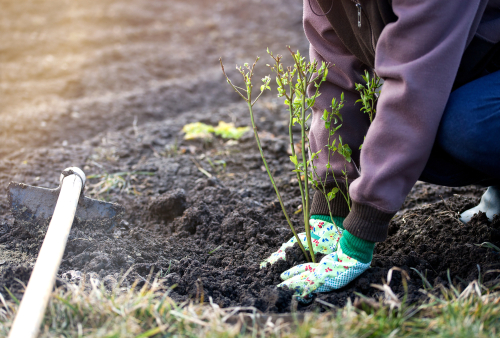
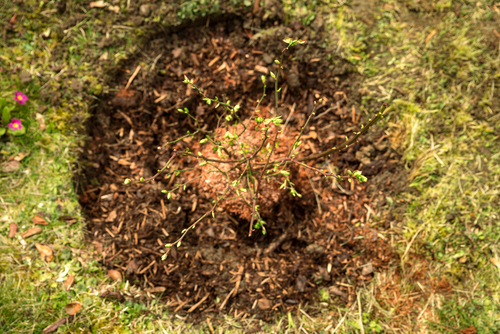
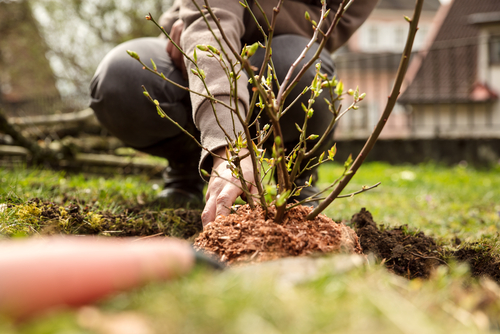
If you’re set on planting them directly in the garden bed, you’ll need to swap out the soil. Keep in mind that blueberries are shallow-rooted; they like to spread their roots out wide rather than deep.
If you decide to use standard peat moss, be sure to mix it with some sand to prevent over-fertilization. However, since peat isn’t the most eco-friendly choice, you can create a natural acidic environment using these alternatives:
- Pine or spruce needle mulch
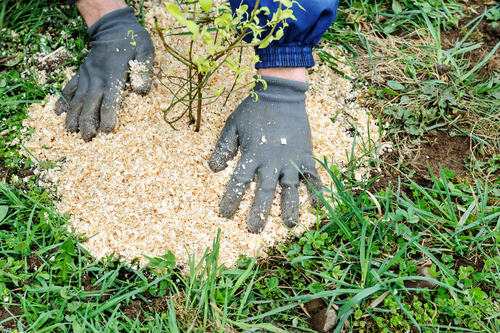
- Untreated wood shavings or sawdust
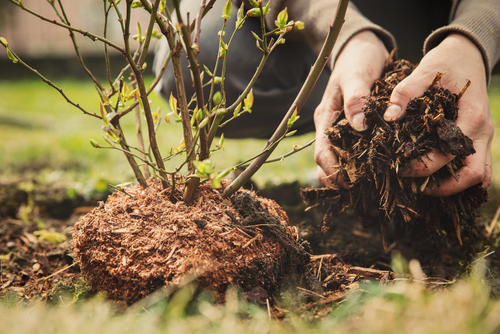
- Aged bark mulch or pine bark humus