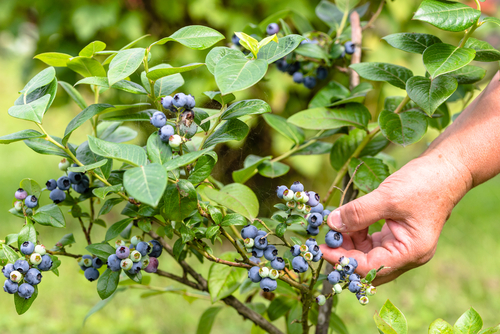
While wild blueberries seem to thrive in the forest without any help, the cultivated varieties in our backyards are a bit more high-maintenance. If you want a massive harvest of those plump, juicy berries, you’ve got to give them a little nutritional boost. Here’s the lowdown on when and how to feed your blueberry bushes for the best results.
Timing is Everything
Garden blueberries need fertilizer to kickstart their new growth in the spring and ensure they have the energy to produce plenty of fruit. Because of this, you’ll want to do your first round of fertilizing in early spring, just before the buds start to open. This sets the stage for a successful growing season.
The second round happens in early summer while the plant is busy developing its berries. This mid-season snack ensures the bush has enough energy to finish the job, resulting in a much better harvest. Two feedings are really all you need! I definitely don’t recommend fertilizing in late summer or fall. Doing so can trigger a late growth spurt of tender new shoots that won’t have time to harden off before the frost hits, which can lead to winter damage.
Choosing the Right Fertilizer
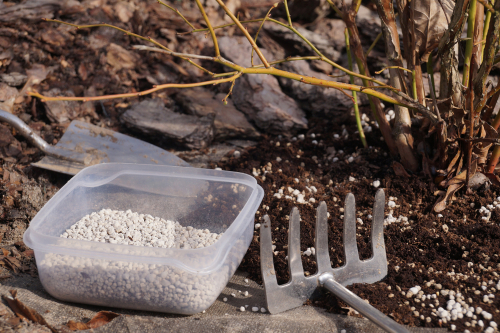
The number one rule for blueberries? They absolutely hate lime. Just like their wild cousins, cultivated blueberries need acidic, low-lime soil to survive. While potting mixes designed for rhododendrons or azaleas work perfectly, all that effort goes to waste if you use a fertilizer that contains lime. Always double-check that your fertilizer is lime-free.
Keep in mind that lime can also sneak into your soil through your tap water. To keep your plants happy, try to water them with rainwater instead. Since many standard garden fertilizers contain lime, you have to be a bit picky. Your best bet is a specialty fertilizer formulated for acid-loving plants like rhododendrons and azaleas. Avoid using fresh compost or manure, as these often contain enough lime to upset the soil’s pH balance.
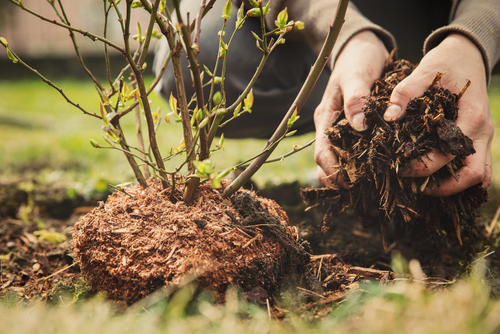
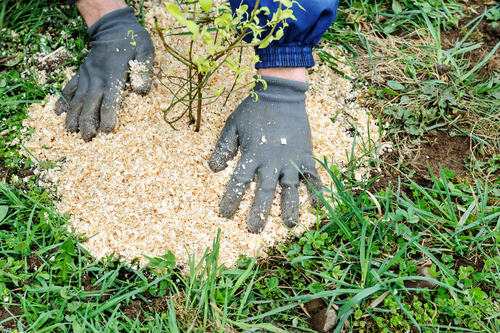
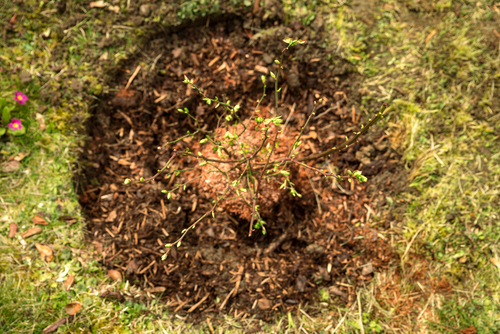
If you’re looking for natural materials that help maintain that acidic environment blueberries love, try mulching with:
- Pine bark mulch
- Shredded pine or spruce needles
- Untreated wood sawdust
One last tip: don’t overdo it! Blueberries are sensitive to over-fertilization. Stick to moderate amounts, and always give the area a good soak with water afterward to help the nutrients settle in and prevent root burn.