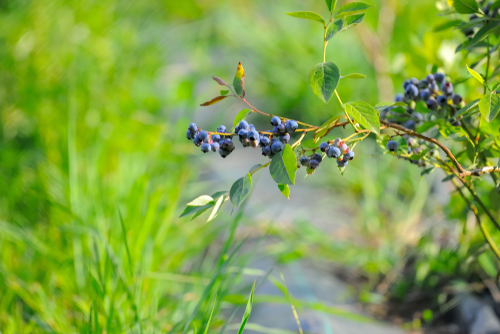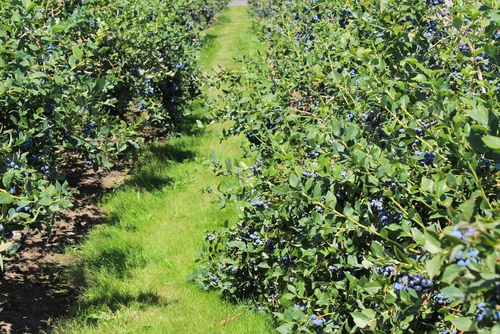
In the wild, you’ll usually find wild blueberries tucked away in sunny, marshy woodlands. If you want to bring that magic to your backyard, you need to keep in mind that garden-cultivated blueberries are a bit picky about their “home.” To get those big, juicy harvests, you’ve got to get the soil just right. Here’s everything you need to know to keep your bushes happy.
Go Acidic, Loose, and Lime-Free
If there’s one thing blueberries love, it’s acidity. For healthy growth, they need lime-free, acidic soil with a pH level between 4.0 and 5.0. They also prefer a loose, airy texture. Heavy, compacted clay is a big no-no for these plants. While blueberries like to stay consistently moist, they absolutely hate “wet feet” (standing water), so well-draining soil is a must.
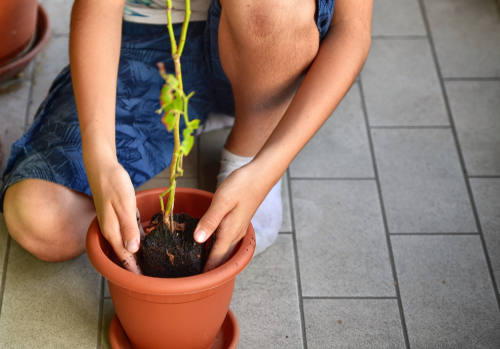
If your backyard soil doesn’t naturally fit the bill, don’t worry—you have options! Since many of us deal with heavy clay soil, you’ll likely need to do some prep work or consider growing your blueberries in containers. If you’re planting your blueberries directly in the garden, you’ll want to swap out the existing dirt in the planting hole with acidic peat or a similar acid-loving mix. For container gardening, a high-quality azalea or rhododendron potting mix works like a charm.
Don’t Plant Too Deep!
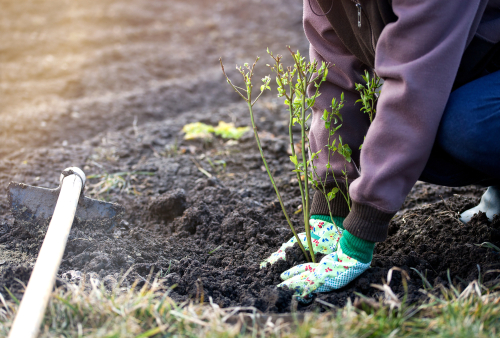
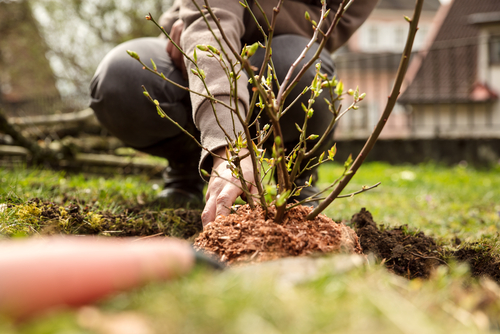
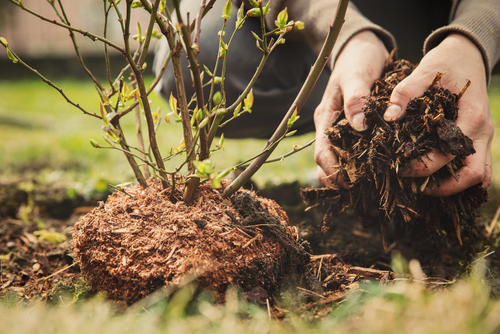
One common mistake is burying the plant too deep. Blueberry roots are oxygen-hungry! When you’re planting, the root ball shouldn’t be completely submerged; it’s actually better if it sits about two finger-widths above the soil line. Think “wide, not deep” when digging your hole.
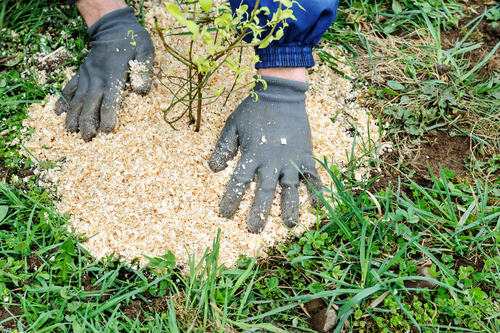
If your native soil is very alkaline (high lime content), here’s a pro tip: try “tub planting.” This just means planting the bush in a large pot with drainage holes and sinking that pot into the ground. This creates a barrier that prevents the surrounding lime-heavy soil from messing with your plant’s pH. To keep that acidity high, you can also mix in or mulch with natural materials like:
- Sawdust
- Leaf or bark compost
- Chopped pine or spruce needles
- Bark humus
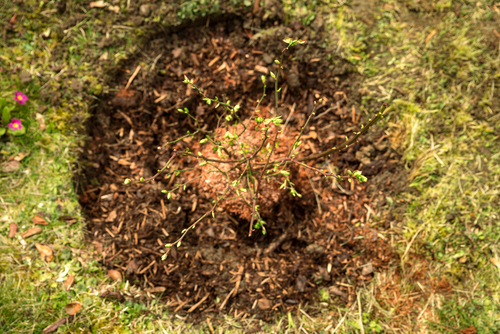
Mixing these into the soil and using them as a top mulch acts like a slow-release fertilizer. As it rains or you water, those acidic nutrients seep down to the roots. Just remember to keep the soil consistently damp—blueberries are thirsty plants, especially during those scorching summer days! Getting the soil right from the start isn’t just about growth; it’s also the best way to protect your plants from diseases and pests.