Wild blueberries are tough little plants that can fruit in even the poorest soils. However, the cultivated blueberries we grow in our backyards are a bit more high-maintenance and need a regular boost of nutrients to really thrive. If you want to keep your bushes happy, here’s the lowdown on how to fertilize them properly.
When Should You Fertilize Blueberries?
We fertilize blueberries for two main reasons: to kickstart healthy branch growth and to give the plant the energy it needs to produce those juicy berries. If you’re dreaming of a vigorous shrub and a massive harvest, skipping the fertilizer isn’t an option.
The best strategy is to split your fertilizing into two sessions:
- First feeding in April: This wakes the plant up and encourages fresh new growth.
- Second feeding in late May: This provides a much-needed energy boost while the fruit is ripening.
Pro tip: Always give your plants a deep soak after fertilizing. You want to water them thoroughly enough that the soil is briefly saturated. This helps dilute the nutrients so they don’t sit too heavily on the roots and cause “fertilizer burn.”
Choosing the Right Fertilizer
Here’s the most important rule: stay away from lime! Blueberries are acid-loving plants that need low-calcium soil. If you use a fertilizer containing lime, it blocks the plant’s ability to take up iron. You’ll know this is happening if the leaves start turning a sickly yellow. Because standard compost or manure often contains lime, they aren’t the best choice for your blueberry patch.
Instead of reaching for harsh synthetic nitrogen fertilizers, try these natural, acid-loving alternatives:
- Compost made from pine or spruce needles
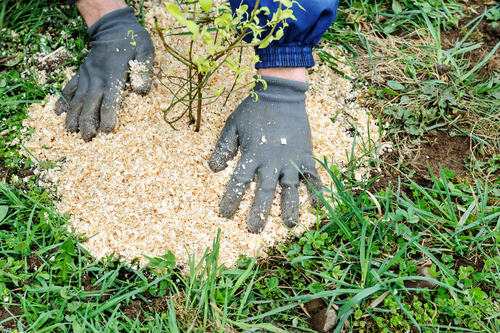
- Shredded softwood (like pine)
- Chipped cedar or cypress wood
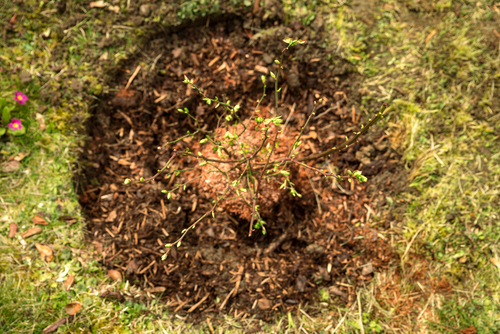
- Pine bark mulch
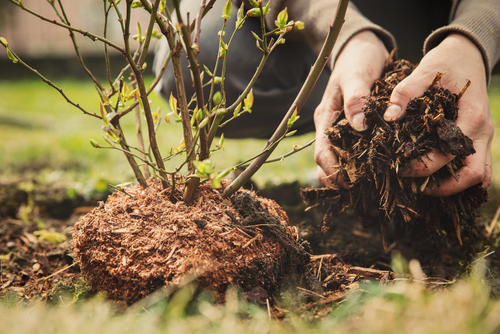
These organic materials break down slowly, acting like a long-term, slow-release fertilizer that you can actually apply year-round. Gently work the material into the top layer of soil, but be careful—blueberry roots are delicate! Since blueberries should never be planted too deep (the root ball should actually sit about two fingers’ width above the soil line), you can also just layer these materials on top as a mulch. This protects the roots while still letting them breathe.