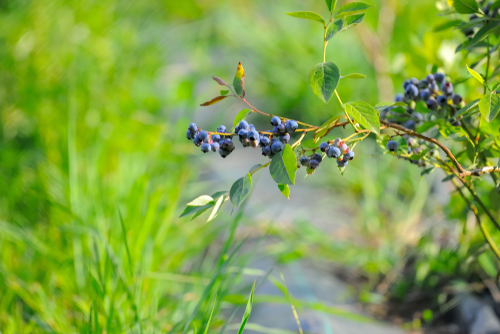
Blueberries are one of the absolute best treats you can grow in your own backyard. There’s nothing quite like picking them straight off the bush and popping them into your mouth (just don’t forget to give them a quick rinse first!). To make sure your blueberry bushes thrive and give you a massive harvest for years to come, there are a few “must-knows” before you start digging.
Cultivated Blueberries vs. Wild Blueberries
It might seem like a blueberry is just a blueberry, but the cultivated varieties we grow in gardens are actually quite different from the wild bilberries you find in European forests. If you’ve ever gone foraging in the woods, you know the wild ones (Vaccinium myrtillus) have dark blue flesh that stains your hands, mouth, and tongue deep purple.
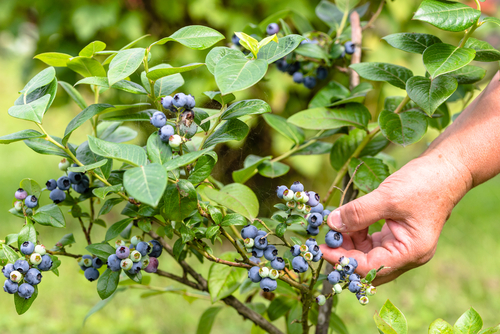
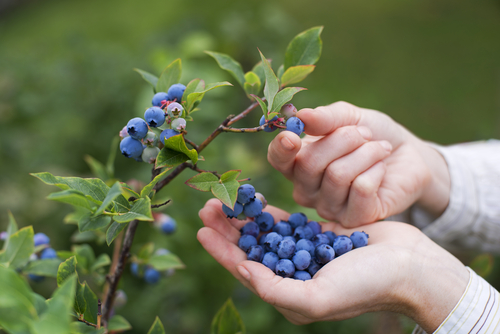
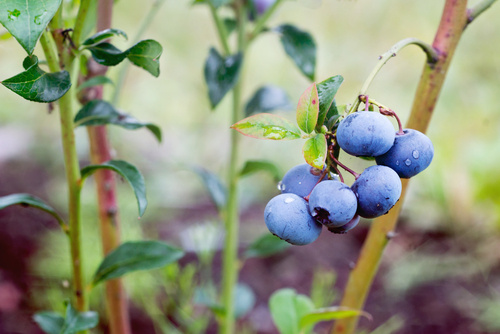
The blueberries we plant at home are actually hybrids of the American blueberry and a few other species. These garden favorites produce much larger berries with light-colored, greenish-white flesh—so no purple teeth! They also taste different; while wild berries are often cooked down into jams, cultivated blueberries are perfect for snacking on fresh.
Growing Your Own: Location and Soil Needs
Unlike their wild cousins that love the shady forest floor, garden blueberries are sun-seekers. They want a spot with plenty of sunshine. The most important thing to remember is the soil: blueberries need acidic soil with a pH between 4.0 and 5.0. If you have heavy, compacted, or clay-heavy soil, you’ll need to loosen it up significantly and mix in some horn meal or organic matter.
Here’s a quick cheat sheet for the perfect blueberry home:
- Full sun to partial shade
- Acidic soil (think peat-free rhododendron mix)
- Loose, well-draining earth
How to Plant Your Blueberry Bushes Correctly
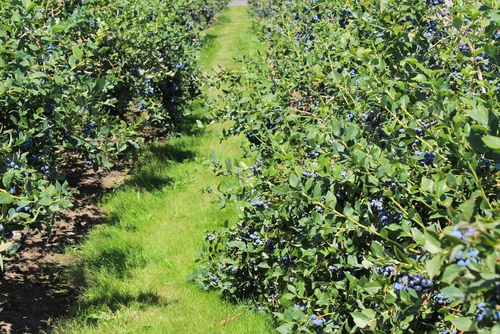
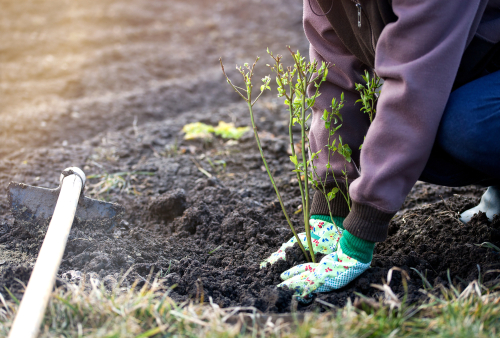
While you can technically grow blueberries from seed, it’s pretty uncommon for home gardeners. It’s much easier to grab established plants from your local nursery. I actually recommend buying a few different plants and creating a “blueberry hedge.” It looks beautiful in the landscape and makes for a great snacking station!
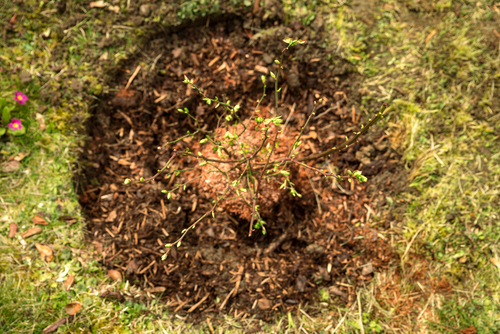
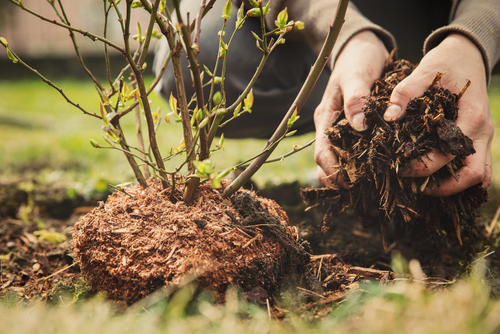
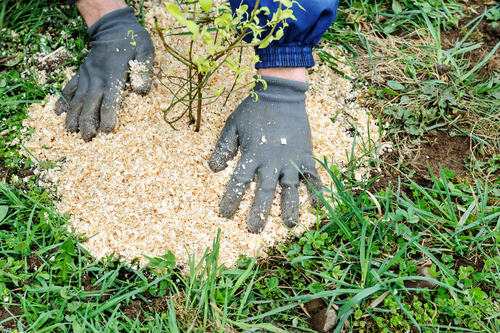
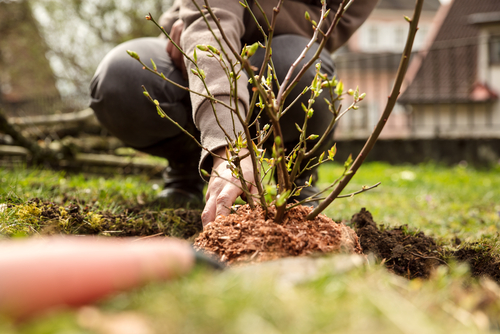
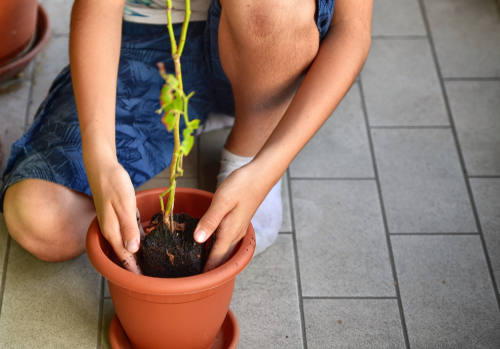
Blueberries are part of the heather family (Ericaceae), which means they are very sensitive about how deep they are planted. If you bury them too deep, the roots won’t get enough oxygen and the plant can die. Instead, plant them so the top of the root ball sits about an inch or two (roughly two fingers wide) *above* the soil line. This keeps the roots breathing. To protect those shallow roots, cover the area with a nice layer of bark mulch.
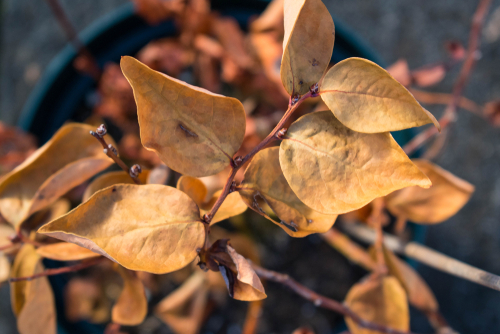
This mulch mimics the natural forest floor and keeps the roots happy. One pro tip: if you notice the leaves turning yellow, your soil might be too alkaline (too much lime). High lime levels block the plant from taking up iron. Always use fertilizers specifically designed for acid-loving plants to keep that pH in check.
Planting in Spring or Summer
Most people plant blueberries in the spring or summer when they show up in garden centers. If you plant in the spring, here’s a little secret: pinch off all the flowers in that first year. I know, it’s heartbreaking to get rid of potential berries, but it prevents the young bush from exhausting itself. By letting the plant focus on its roots and structure first, you’ll get a much bigger harvest the following year.
The “make or break” factor for blueberries is water—especially during the flowering stage and the heat of summer. They need consistent moisture to produce those plump, juicy berries. If they get too dry, the fruit will stay small or drop off early. Since blueberries hate lime, try to water them with rainwater or filtered water rather than hard tap water whenever possible.
Choosing Neighbors and Spacing
Most garden blueberries are self-fertile, but here’s a pro tip: if you plant at least two different varieties near each other, you’ll get a much higher yield and bigger berries. Plus, a hedge of different varieties looks great! The flowers usually open in May and are a huge hit with bees and other pollinators, making your garden a little eco-haven.
Depending on the variety, some blueberry bushes can grow up to ten feet tall! Make sure to give them plenty of elbow room. You’ll want a planting distance of at least five feet from other plants, walls, or fences. This ensures you can easily reach all sides of the bush when it’s finally time to harvest.