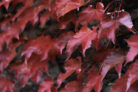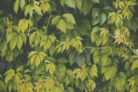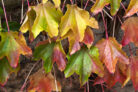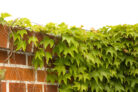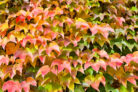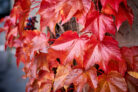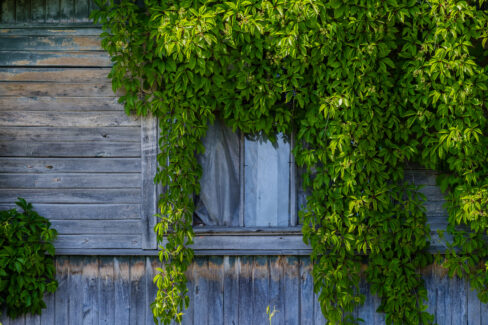
Boston Ivy (or Virginia Creeper) is famous for its incredibly dense, fast-growing foliage. Because it fills in so quickly, it’s a go-to choice for covering pergolas or creating a natural privacy screen. However, if you want to keep it looking sharp and under control, a regular pruning routine is a must.
Why You Should Prune Your Boston Ivy
Boston Ivy is a speed demon when it comes to growth, with some varieties shooting up as much as six feet in a single year! Regular trimming is essential to keep it from taking over your entire yard. Beyond just aesthetics, you’ll want to prune for a few other reasons:
- To prevent damage to your home’s exterior or masonry.
- To gather cuttings for propagation.
Unchecked Growth Can Cause Problems
To avoid serious headaches with your walls, roof, or gutters, you really need to stay on top of your pruning. It’s not just the roots you have to worry about—the vines themselves can find their way into tiny crevices in brickwork, potentially causing cracks or other structural issues over time. While you’re out there with your shears, take a moment to inspect your walls and fences for any signs of wear and tear so you can fix them before they become big projects.
Taking Cuttings
The great thing about Boston Ivy is how easy it is to grow new plants from cuttings. Just snip off some healthy, young shoots and let them root. Before you know it, you’ll have brand-new baby vines ready to go. Once they’ve put down some solid roots and grown a bit, you can transplant them wherever you need more greenery.
When is the Best Time to Prune?
In general, you can give your Boston Ivy a light “haircut” any time of year. However, if you’re planning a major overhaul, the best time to do it is late summer or early autumn. This gives the plant plenty of time to recover and prep for new growth in the spring. Don’t worry about being too aggressive—Boston Ivy is pretty hardy and handles a heavy pruning quite well.
Keep an Eye Out for Local Wildlife
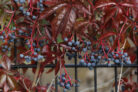
Before you start clipping, take a quick peek inside the foliage for nesting birds or helpful insects. Bees and wasps are especially fond of the flowers and berries on these vines. If you notice a lot of activity, try to avoid disturbing them. It’s often best to push your pruning back a few weeks to let nature do its thing first.