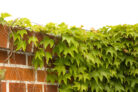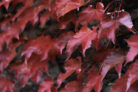
Technically, you can get Virginia Creeper (also known as Woodbine) into the ground just about any time of year. However, there are definitely a few “sweet spots” in the calendar that will give your new climber the best start. Let’s break down the pros and cons of when to plant so your garden stays lush and vibrant.
Can You Plant Year-Round?
The short answer is yes! If you’ve bought your Virginia Creeper as a container-grown plant with a well-established root system, you can transplant it whenever you like. This is especially true for plants grown in pots on balconies or patios, which aren’t quite as picky about timing.
Regardless of when you decide to dig, just keep these three golden rules in mind:
- Never plant during a deep freeze or when the ground is frozen solid.
- Make sure the soil is warm enough to encourage root growth.
- Be ready to give young plants a little extra TLC if an unexpected cold snap hits.
The Best Times to Plant
If you want to play it safe and guarantee your vine thrives, aim for either spring or early autumn. During these windows, the soil temperature and weather conditions are just right for the roots to settle in comfortably. Plus, it gives the plant plenty of time to establish itself before the extreme heat of summer or the bitter cold of winter sets in.
Spring Planting
If you’re planning a spring planting, patience is key. You’ll want to wait until the threat of a late-night frost has passed—usually around mid-May (after the “Ice Saints,” as the old-school gardeners say). May is generally the perfect benchmark. The big advantage of spring planting is that your Virginia Creeper has the entire growing season to get its roots deep and its vines long. By the time winter rolls around, it’ll be tough enough to handle the cold like a pro.
Autumn Planting
If you missed the spring window, don’t worry—early fall is your next best bet. The goal here is to get the plant in the ground while the soil is still holding onto summer’s warmth but before the first frost hits. Usually, anytime up until mid-September works great. Just remember that since winter is right around the corner, these young plants might need a little extra protection. Toss down a thick layer of mulch or wrap them in some garden fleece to keep them cozy during their first winter.