Normally, lilacs (*Syringa*) are pretty tough customers. They’re usually super reliable, bouncing back every spring even when the weather isn’t doing them any favors. But as hardy as these beautiful shrubs are, they aren’t totally invincible. If your lilac is looking a little bare when it should be leafing out, there are a few common culprits that might be stalling its growth.
When the Cold Holds Things Back
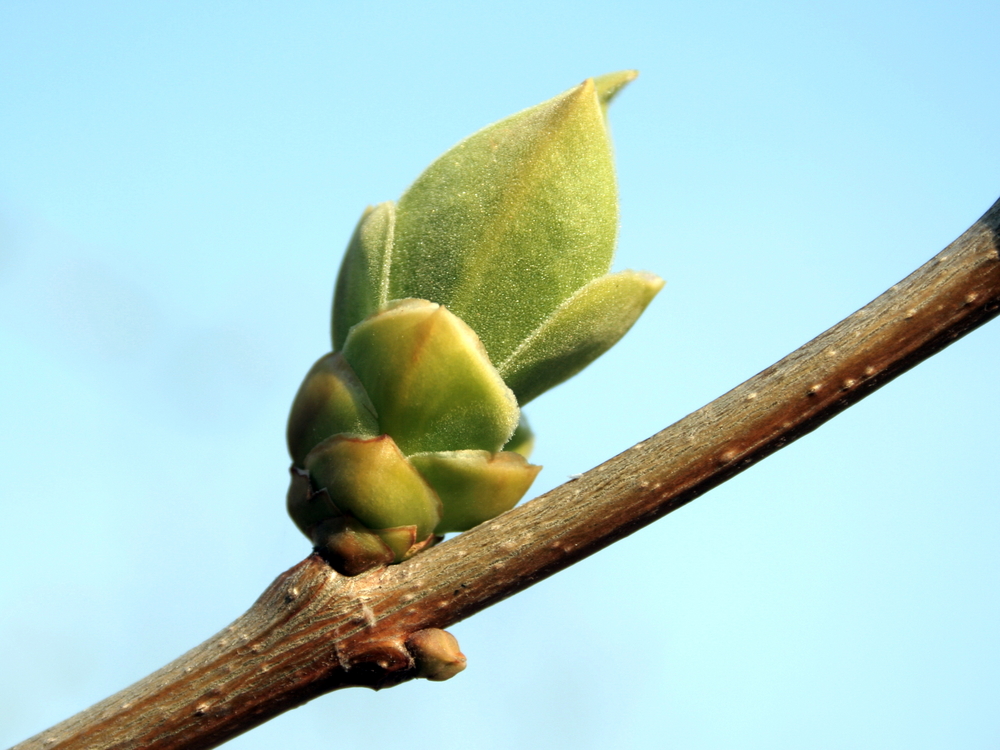
If your lilac is taking its sweet time to wake up, don’t panic just yet! Keep a close eye on it for a few weeks. Sometimes, these plants just need a little extra beauty sleep—especially if you gave them a heavy pruning last year. A major haircut can leave the shrub needing some recovery time before it’s ready to push out new growth.
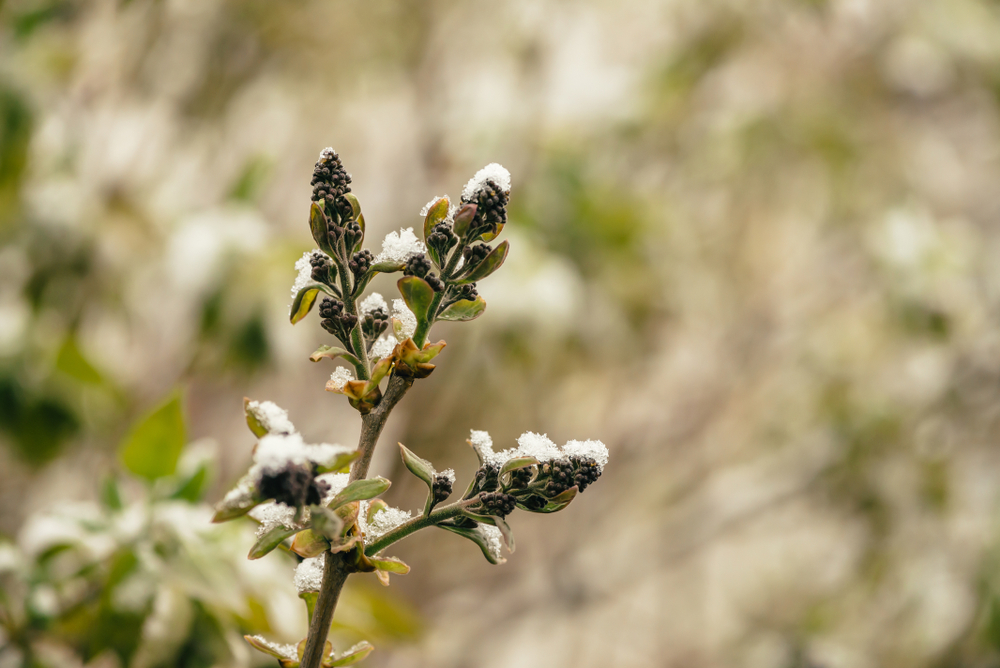
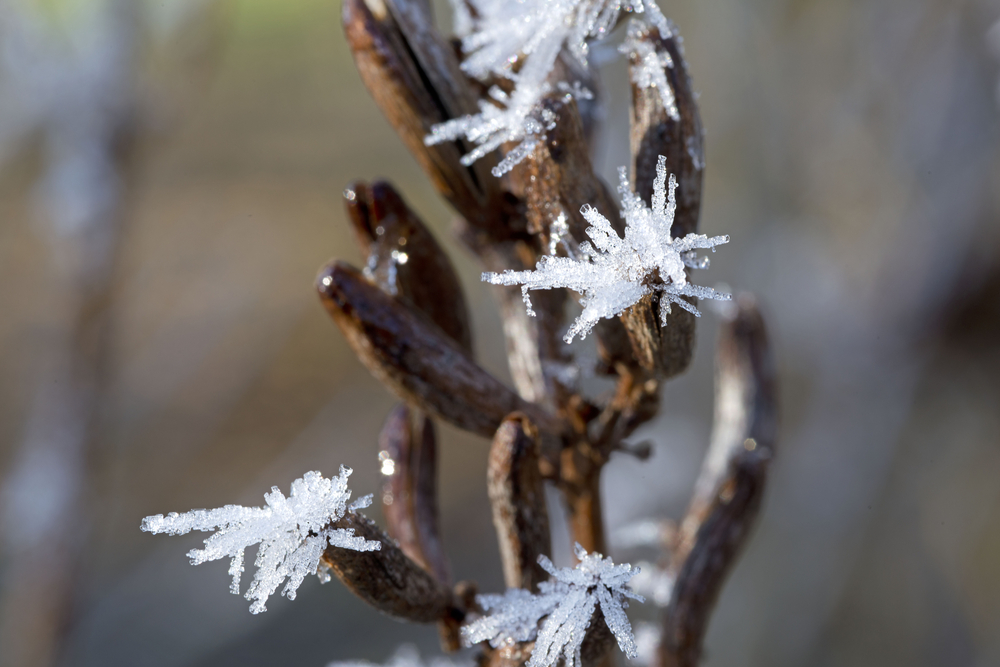
A brutal winter can also throw a wrench in the works. While lilacs are generally very winter-hardy, those sneaky late-spring frosts are the real troublemakers. If you get a few warm, sunny days in late winter, the plant might start to wake up early. If a hard freeze hits that night, those tender new buds can freeze right off. Similarly, a “black frost” (extreme cold without a protective blanket of snow) can sometimes cause serious dieback.
Soil Issues and Garden Pests
Lilacs are a bit picky about their “feet.” They aren’t fans of heavy, soggy, or clay-heavy soil. What they really crave is a sandy, loose, and well-draining spot. If you’ve had a particularly rainy summer or a wet winter, your lilac might be dealing with standing water. This is bad news because it leads to root rot and fungal issues.
When the roots are drowning or rotting, they can’t send water and nutrients up to the rest of the plant. If your lilac stops budding out because of rot, it’s often a sign the plant is too far gone to save. Keep an eye out for yellow or brown spots on any leaves that *do* appear, as that’s a classic red flag for a fungal infection.
Then there are voles. They might look cute, but these little rodents are a lilac’s worst nightmare. They love snacking on the root systems, and once the foundation of the plant is destroyed, the whole shrub starts to decline. If your lilac isn’t sprouting because voles have decimated the roots, it’s a tough uphill battle to save it. Your best bet is to dig the plant up entirely, check the damage, and deal with the pest problem before trying again.