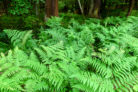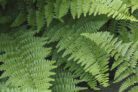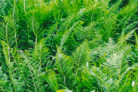
When it comes to Bracken Fern, gardeners are usually split into two camps. On one hand, it’s a toxic plant that has a reputation for spreading like wildfire. On the other hand, it’s undeniably gorgeous and does a fantastic job of keeping unwanted pests out of your garden.
Quick Facts
Here’s the lowdown on what makes Bracken Fern tick:
- Genus: Dennstaedtiaceae (Bracken family)
- Botanical Name: Pteridium aquilinum
- Distribution: Worldwide
- Natural Habitat: Forests, meadows, and pastures
- Height: Usually 1.5 to 6 feet (though it can hit a massive 13 feet in the right conditions)
- Fronds: Triple-pinnate (triangular and feathery)
- Spore Ripening: July through October
- Light Preference: Partial shade
- Care Level: Very low maintenance
- Propagation: Division or spores
- Special Note: Toxic to both humans and animals
Toxicity
Safety first! Bracken Fern contains several toxic substances, with pteridannic acid and cyanogenic glycosides being the most dangerous. If ingested, it can lead to motor issues, tremors, and in severe cases, it can even be fatal. Interestingly, even breathing in the spores can cause mild irritation or poisoning. If you have kids or pets running around the yard, you’ll definitely want to look into how to get rid of it.
Growth Habit
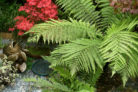
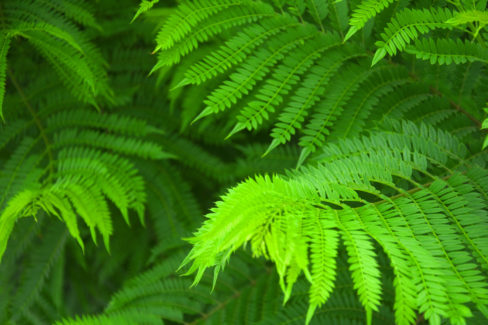
Bracken is definitely one of the “big guys” in the fern world. It typically reaches about six feet tall, but if it really loves its spot, it can tower up to thirteen feet! You can usually identify it by its distinct triple-pinnate fronds, which give it a lush, feathery look. Depending on how old the plant is, the fronds range from a bright, spring green to a deep, rich forest green.
A Plant with Serious Longevity
Ferns aren’t just some of the oldest plant species on Earth; they’re also some of the longest-lived individuals. Bracken Fern is a perfect example of this endurance. In Finland, researchers discovered rhizomes (underground stems) stretching nearly 200 feet long. Based on that growth, experts estimate those specific plants were over 1,500 years old. Talk about a garden heirloom!