Back in the day, people actually used Male Fern as a home remedy for tapeworms—which is exactly how it got its common name in many languages! But let’s set the record straight: that was a huge mistake. This plant is actually toxic and can do some serious damage to your nervous system if ingested.
- Family & Genus: Wood Fern family (Dryopteridaceae), Dryopteris
- Scientific Name: Dryopteris filix-mas
- Common Name: Male Fern
- Where it grows: Forests and woodland edges
- Growth Habit: Clump-forming, wide-spreading, and upright
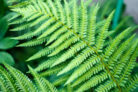
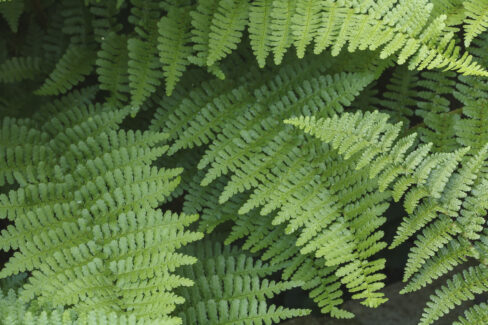
- Fronds: Doubly pinnate (feathery)
- Spore Season: July through September
- Light Prefs: Partial shade to full shade
- Maintenance: Super low maintenance; basically takes care of itself
- Propagation: Via spores or by dividing the rhizome
- Special Note: Toxic!
Where You’ll Find It
You’ll mostly spot the Male Fern hanging out in the woods, especially in pine and beech forests. It’s a tough, easy-going plant that isn’t picky about its environment. In fact, it’s so hardy that it can grow at altitudes of up to 8,500 feet above sea level!
Growth Habits
Underground, the Male Fern has a horizontal rootstock (rhizome) that sends out black roots to nourish the plant, which can reach heights of up to five feet. Here are a few more features to help you identify it:
- Short stems
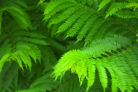
- Fronds that spread out in a funnel shape
- Tapered, pointed tips
- Frond color: Ranges from light to dark green
- 20 to 35 leaflets (pinnae) along the midrib
- Sharply serrated edges on the leaflets
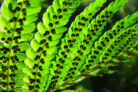
- Spore cases (sori) located on the underside of the fronds
A Word on Toxicity
It’s important to know that every part of the Male Fern is poisonous. The highest concentration of toxins is found in the rhizomes and the stems. Interestingly, the plant gets slightly less toxic as it ages, which means young plants are particularly dangerous for curious kids and pets.
If you notice Male Fern spreading in your garden and you have little ones or furry friends running around, you might want to clear it out sooner rather than later. The plant contains filicin (butanophloroglucides), which can cause nausea, vomiting, and diarrhea even in small amounts. In more serious cases, it can lead to nervous system damage that can be life-threatening. Stay safe out there!