While farmers value the Bush Vetch as a high-protein forage plant, most of us gardeners just love it for those charming blossoms. To help you tell it apart from “imposter” vetches—like the popular annual Sweet Pea—let’s take a closer look at what makes this plant special.
The Quick Facts
- Botanical Name: Vicia sepium
- Family: Legumes (Fabaceae)
- Life Cycle: Perennial
- Height: Low-growing, trailing, or climbing; up to 20 inches
- Hardiness: Very hardy
- Propagation: Seeds
- Toxicity: Seeds are mildly toxic
- Peak Bloom Time: May through August
- Edibility: Young leaves, shoot tips, and flowers
Where It Grows in the Wild
The Bush Vetch is a common sight across Europe. If you’re out for a nature walk, you’ll likely spot it in:
- Open deciduous forests
- Woodland edges and roadsides
- Nutrient-rich meadows
- Near shrubs and hedgerows
This plant is a fan of nitrogen-rich soil and is surprisingly tough—it can even be found in mountain regions at altitudes of up to 6,900 feet.
How to Identify It
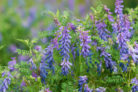
The Bush Vetch has a long, thin primary root system that can send out several reddish runners. The stems grow to about a foot long; they’ll stay upright on their own for a bit, but as soon as they find something to grab onto, they start climbing. You can recognize the Bush Vetch by its distinct leaves, flowers, and seed pods:
- Leaves are 2 to 4 inches long
- Each leaf is made up of 4 to 8 pairs of leaflets
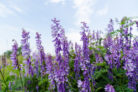
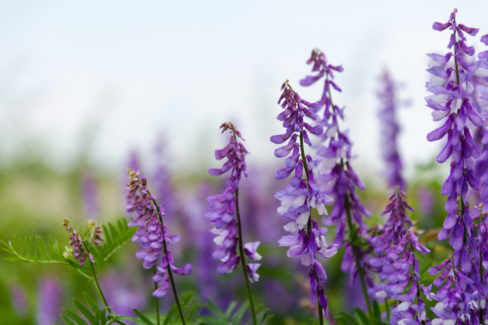
- Flowers are classic “butterfly” shaped pea blossoms
- Colors range from reddish-violet to a dusty blue
- Occasionally, you’ll spot white or yellowish flowers
- 2 to 5 individual flowers grow from each leaf axil
- Pods are about an inch long and 1/4 inch wide
- Pods start out hairy but become smooth as they age
- When ripe, the pods turn a shiny black
- Each pod holds 3 to 6 seeds (about 3-4 mm in size)
- Seeds are yellow, reddish, or greenish-brown with dark spots
Bush Vetch in Your Garden
If you have a sunny, warm spot protected from the wind, the Bush Vetch can be a lovely addition to your backyard. Sometimes it’ll just show up on its own, but you can also plant it intentionally. To keep this climber healthy and blooming beautifully, follow these tips:
- Water regularly and deeply
- Feed it with compost every two weeks from May through September
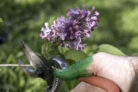
- Deadhead faded flowers
- Prune it back if it needs a little shaping
Pro Tip:
Make sure to remove faded vines and spent flowers promptly. This prevents the Bush Vetch from self-seeding too aggressively and acting like a weed.
Uses for Bush Vetch
Because it’s so high in protein, it’s a favorite for livestock, and bumblebees absolutely love the nectar. But did you know this edible plant can also be a treat for humans? In the spring, the young leaves and shoot tips are tender and have a delicious, pea-like flavor. You can also pick the flowers all summer long to use as a decorative salad garnish—they add a lovely hint of sweetness!
Fun Fact:
According to old folklore, eating the shoots and flowers of the Bush Vetch was said to grant a person courage and strength.