The Bush Vetch is a member of the legume family, just like many of the beans and peas we keep in our kitchen pantries. But does this lesser-known wild cousin belong on the dinner table too? And if so, which parts should you harvest and when? Let’s dig in!
How to Identify Bush Vetch
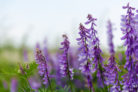
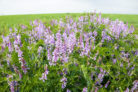
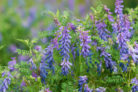
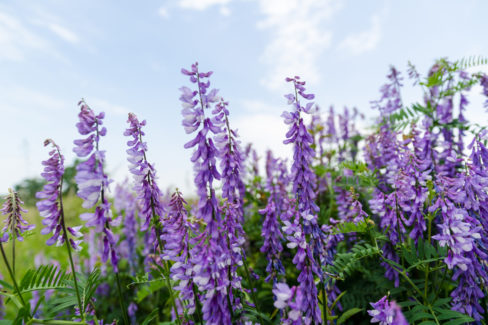
Bush Vetch (scientifically known as *Vicia sepium*) is pretty easy to spot once you know what to look for. It’s a hardy perennial that spreads via long underground runners, but it’s also quite the climber. It uses delicate little tendrils at the tips of its leaves to hitch a ride up nearby fences or taller plants. Here are the key features to look for:
- Feathery, pinnate leaves about 2–4 inches long.
- Fine hairs on the underside of the leaves.
- Classic pea-like flowers that grow in small clusters.
- Flower colors ranging from reddish-violet to bluish-purple (occasionally white).
- Seed pods about 1–1.5 inches long and 1/4 inch wide.
- Pods start out fuzzy, then turn shiny and dark as they mature.
- Pods stick out horizontally from the stem.
- Each pod contains 6 to 8 seeds.
For more general info on this plant, check out our Bush Vetch profile.
Is Bush Vetch Edible?
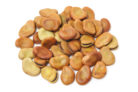
Once you’ve positively identified the plant, you’re good to go! The leaves, tender shoot tips, and flowers are all edible. However, you should skip the seeds—those are mildly toxic and are best saved for planting rather than snacking.
When to Harvest
The blooming season for Bush Vetch runs from June all the way through October. You can harvest freshly opened flowers throughout this entire window. For the leaves and shoots, it’s best to gather them in the spring when they are young, tender, and at their most delicious.
Flavor and Kitchen Uses
The shoot tips of the Bush Vetch are wonderfully juicy and crunchy. They have a slightly tart flavor that tastes remarkably like fresh green peas. The flowers are rich in nectar, adding a lovely hint of sweetness. Most foragers love tossing them into salads, where they double as a beautiful pop of color.
Pro Tip:
If you find you really love the taste, why not sow a few seeds in your own garden? Just keep an eye on them so they don’t spread too aggressively and turn into a weed problem later on!
A Word of Caution: Sweet Peas are NOT Edible!
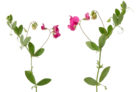
Don’t confuse Bush Vetch with Sweet Peas (also known as Garden Peas or *Lathyrus odoratus*). While they look similar and smell amazing, Sweet Peas are toxic and definitely not for eating! Always double-check your ID before you start snacking.